I am having a new living experience right now. For the first time in my travels, I am staying in an apartment block! Yes, I am in an actual apartment. As I’ve seen in so many dramas. And now I really feel like I am ‘living’ in Korea. It’s somehow ridiculously exciting to me.
And if you are curious what a typical small apartment in Korea looks like, here you go…
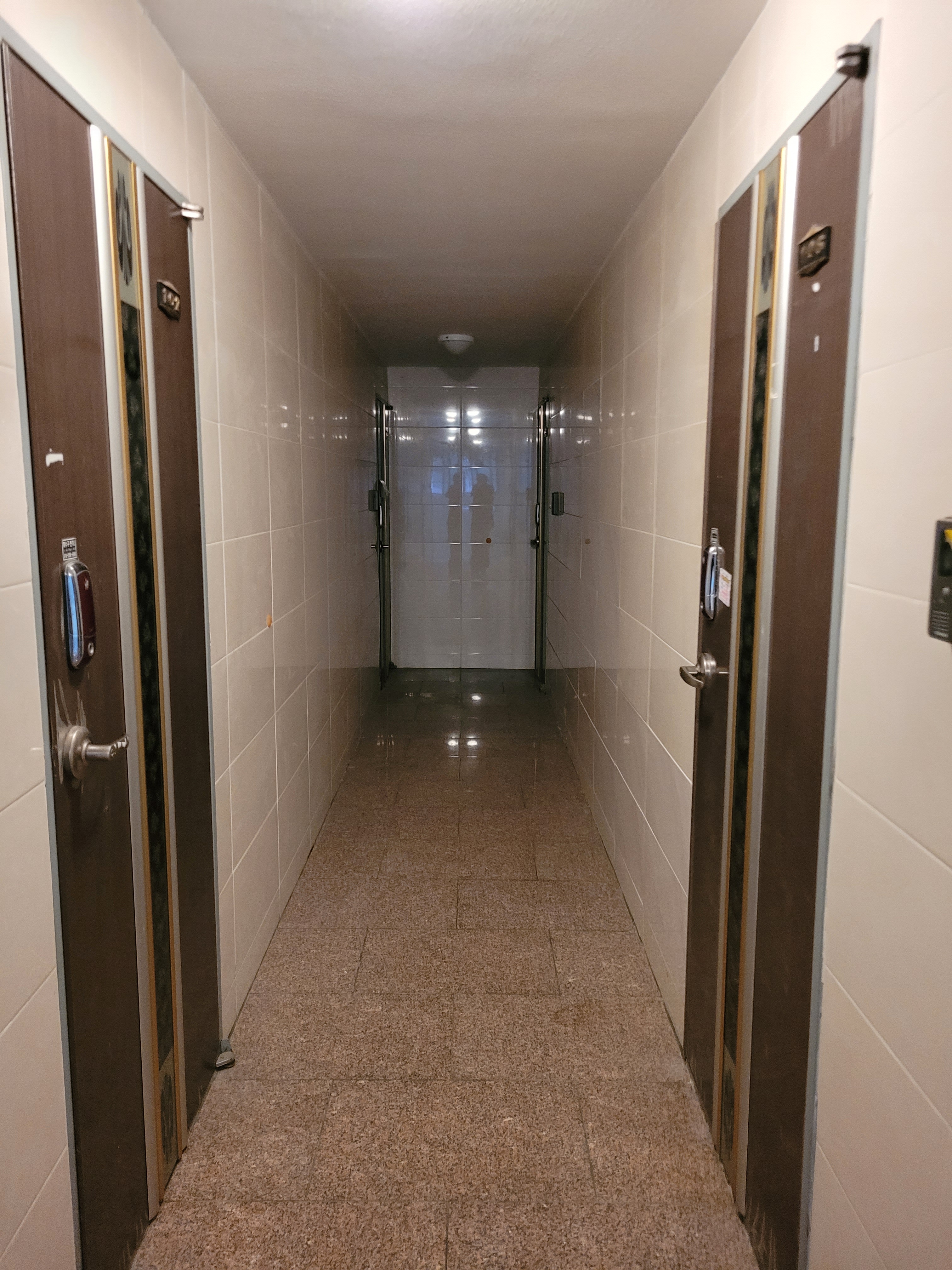
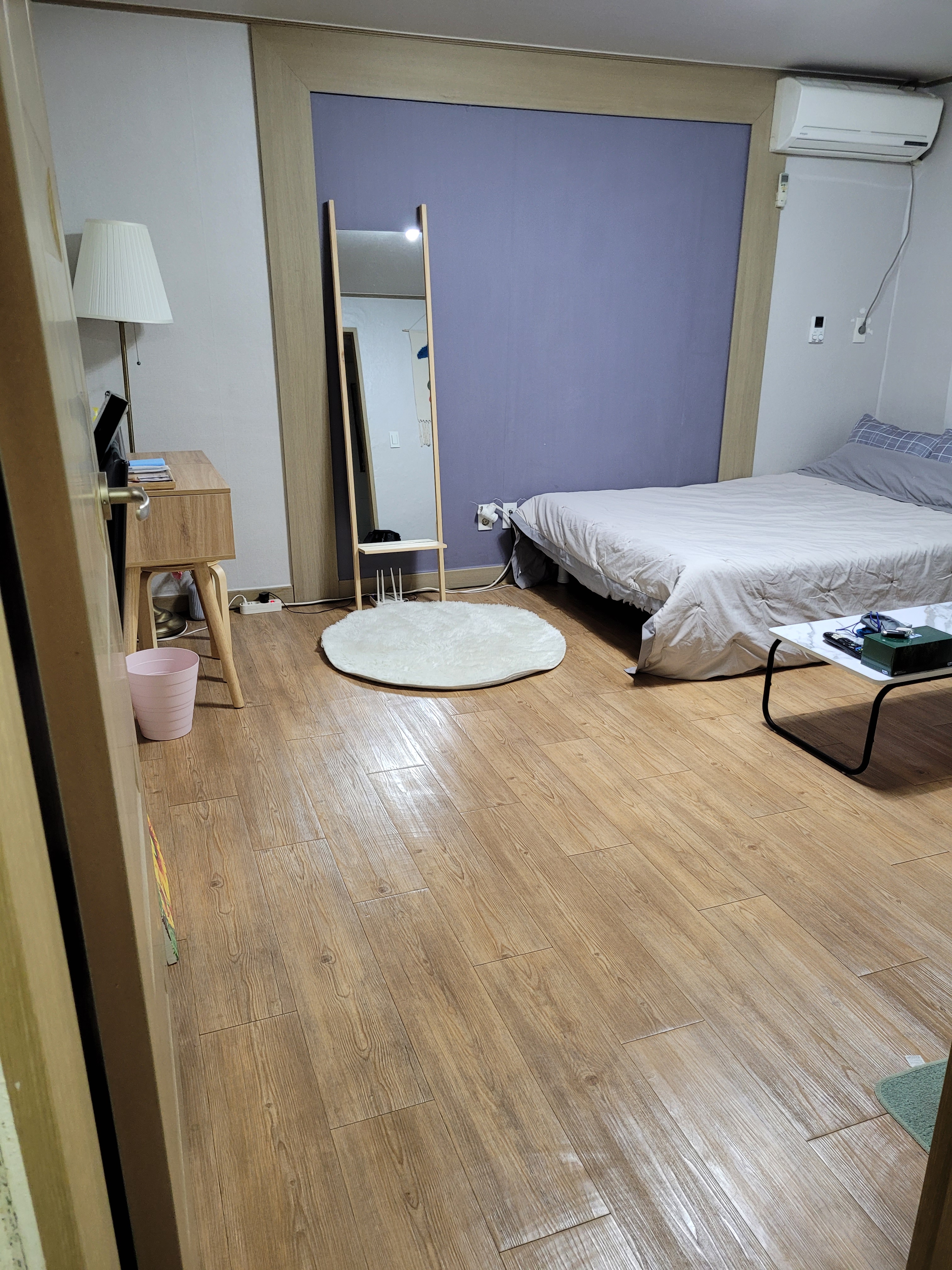
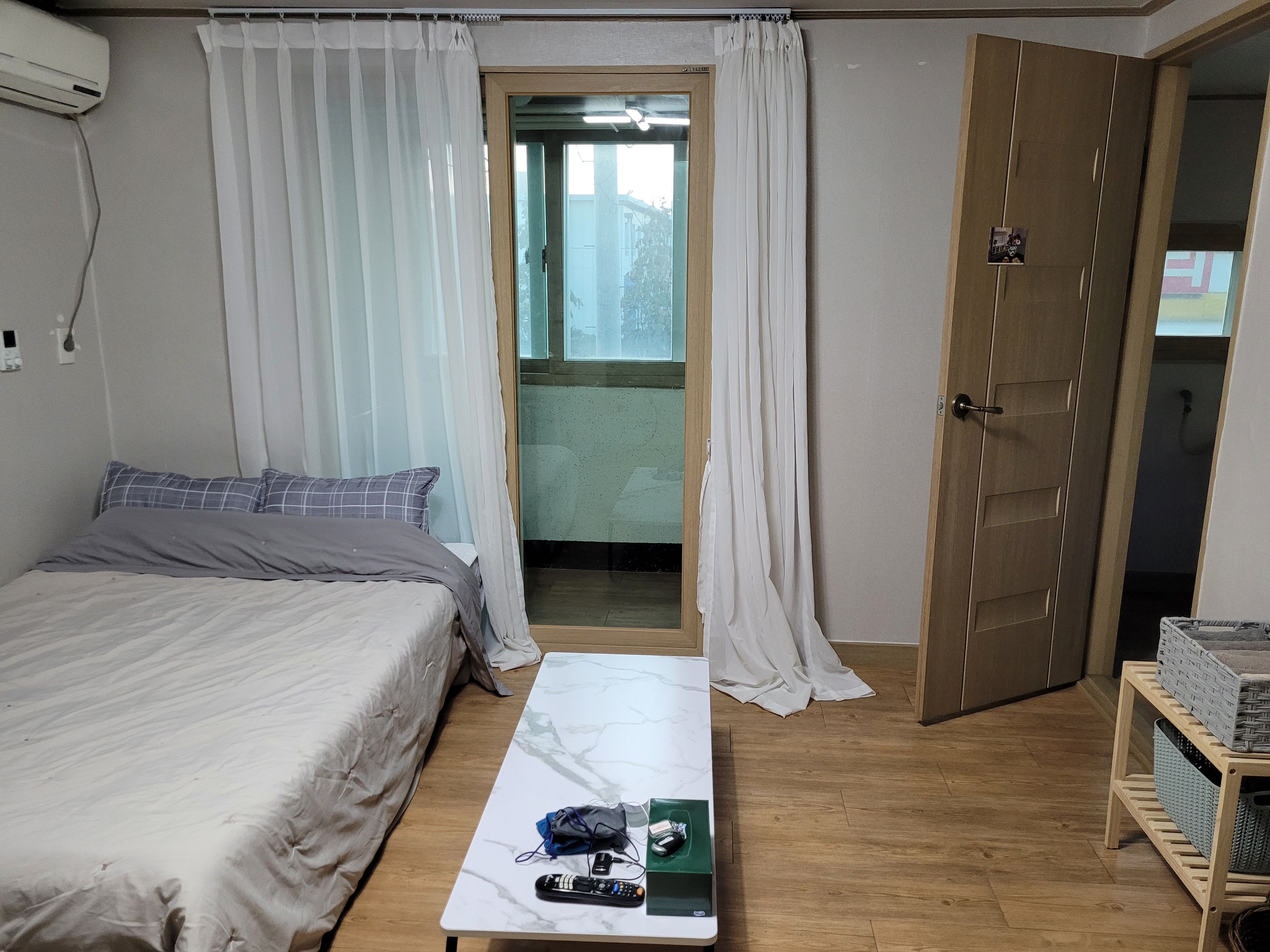
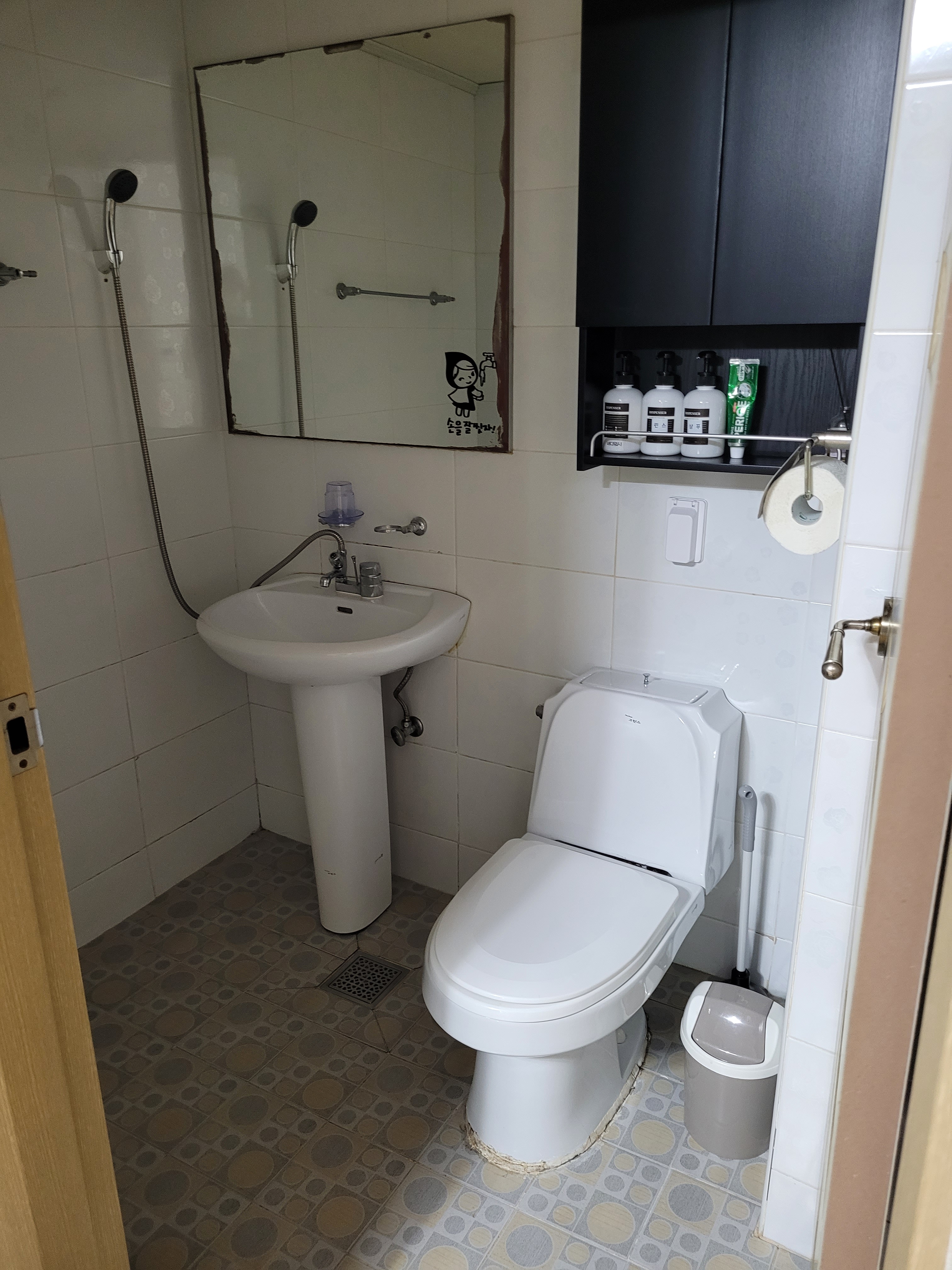
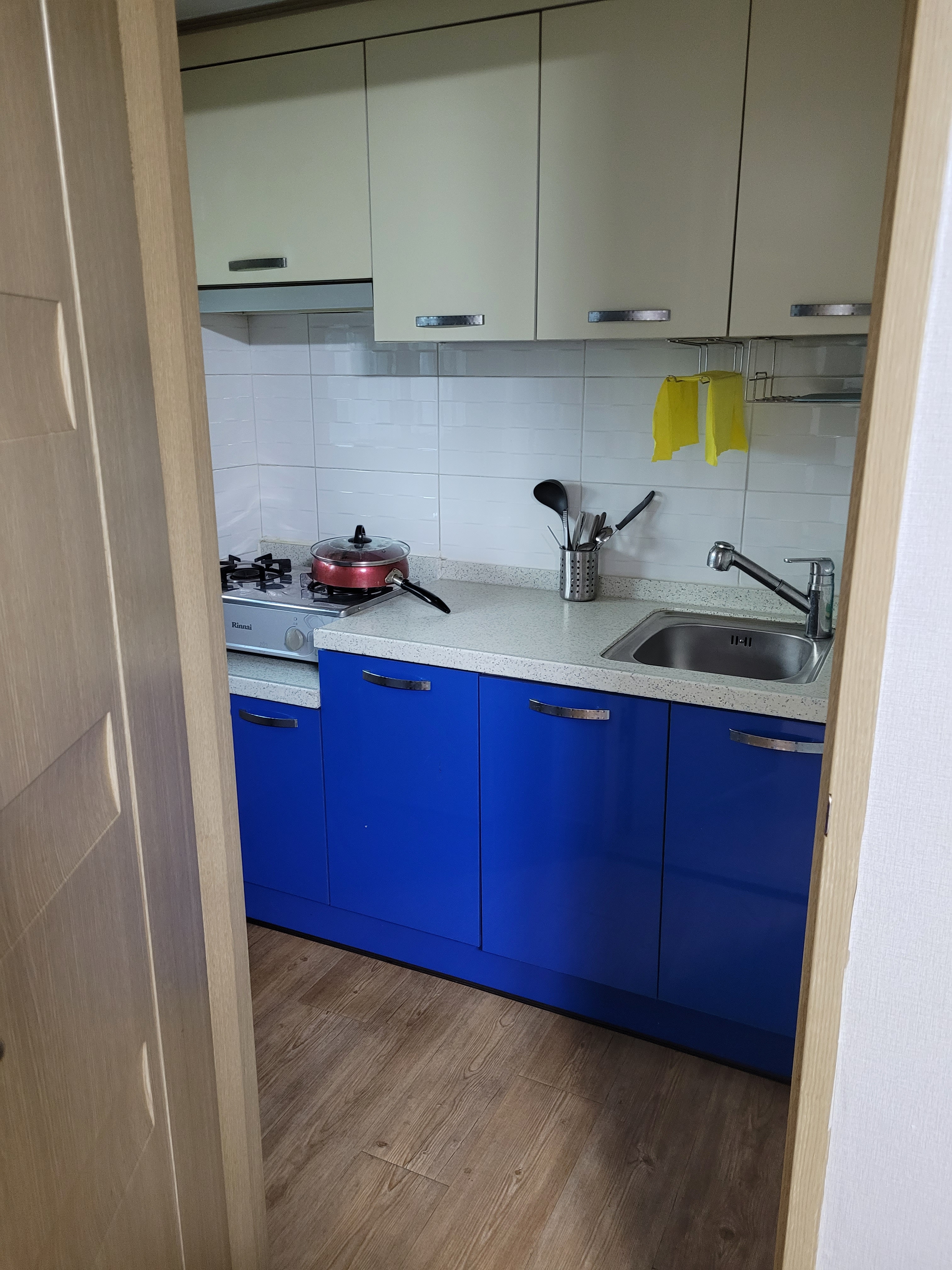
Just so you are aware, once I finish my travels, I will do a separate post detailing the different places I have stayed in so you can see the size, style, and type of accommodation on offer if you choose to visit.
Today’s post hosts a variety of topics and locations to see and learn about, starting with a little bit of culture in the form of pottery. Or more precisely, porcelain.
The Buan Celadon Museum is a small and specialised museum which, as its name suggests, is dedicated to everything you might wish to know about celadon porcelain. And for those of us who didn’t pay attention in school and therefore are a little fuzzy regarding historical facts about Asian pottery and porcelain, particularly that which was popular in the Korean Goryeo Dynesty, I am here to enlighten you (but really you shouldn’t have fallen asleep in class).
First, let’s head into the museum. Which looks like this…
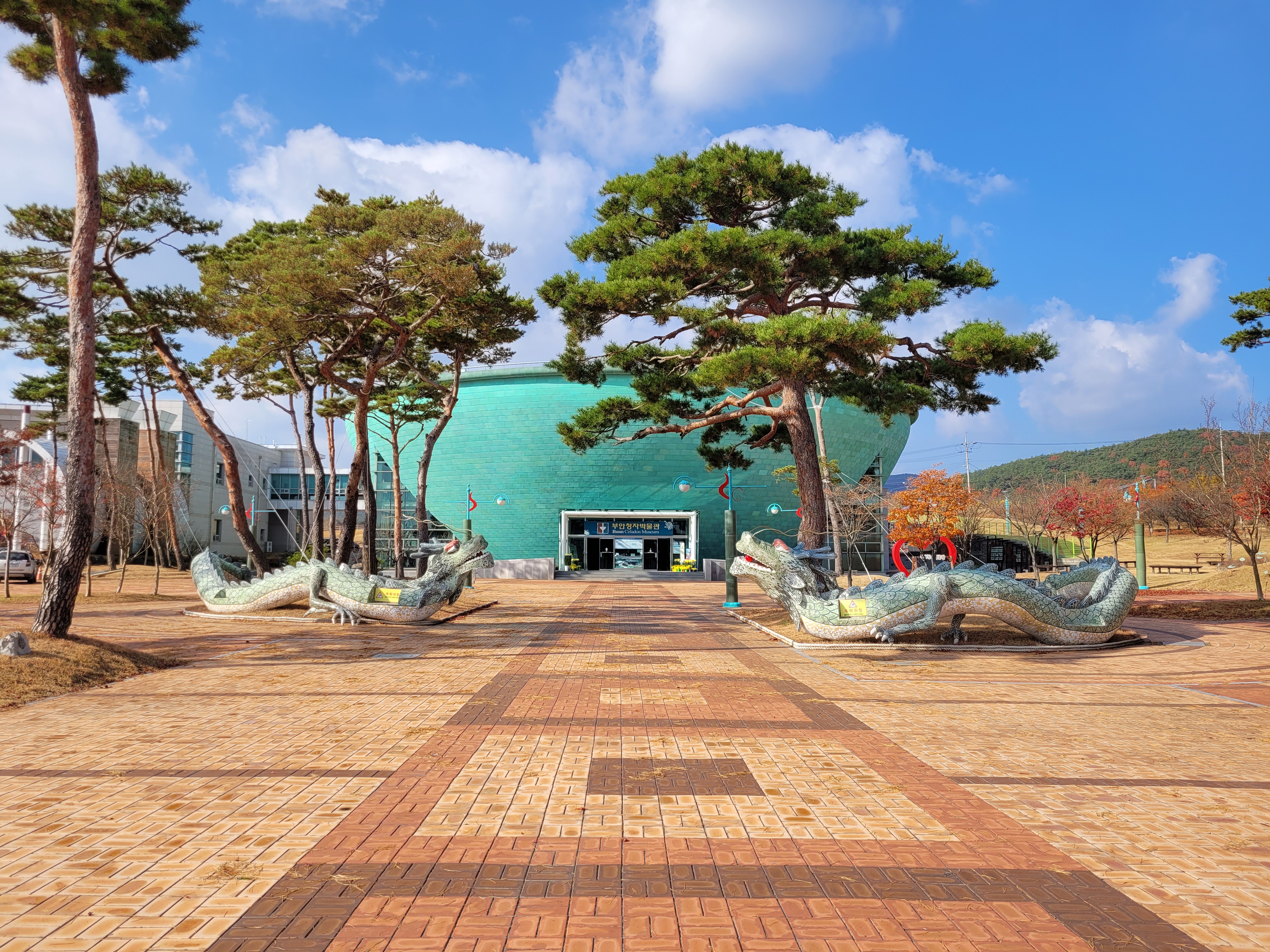
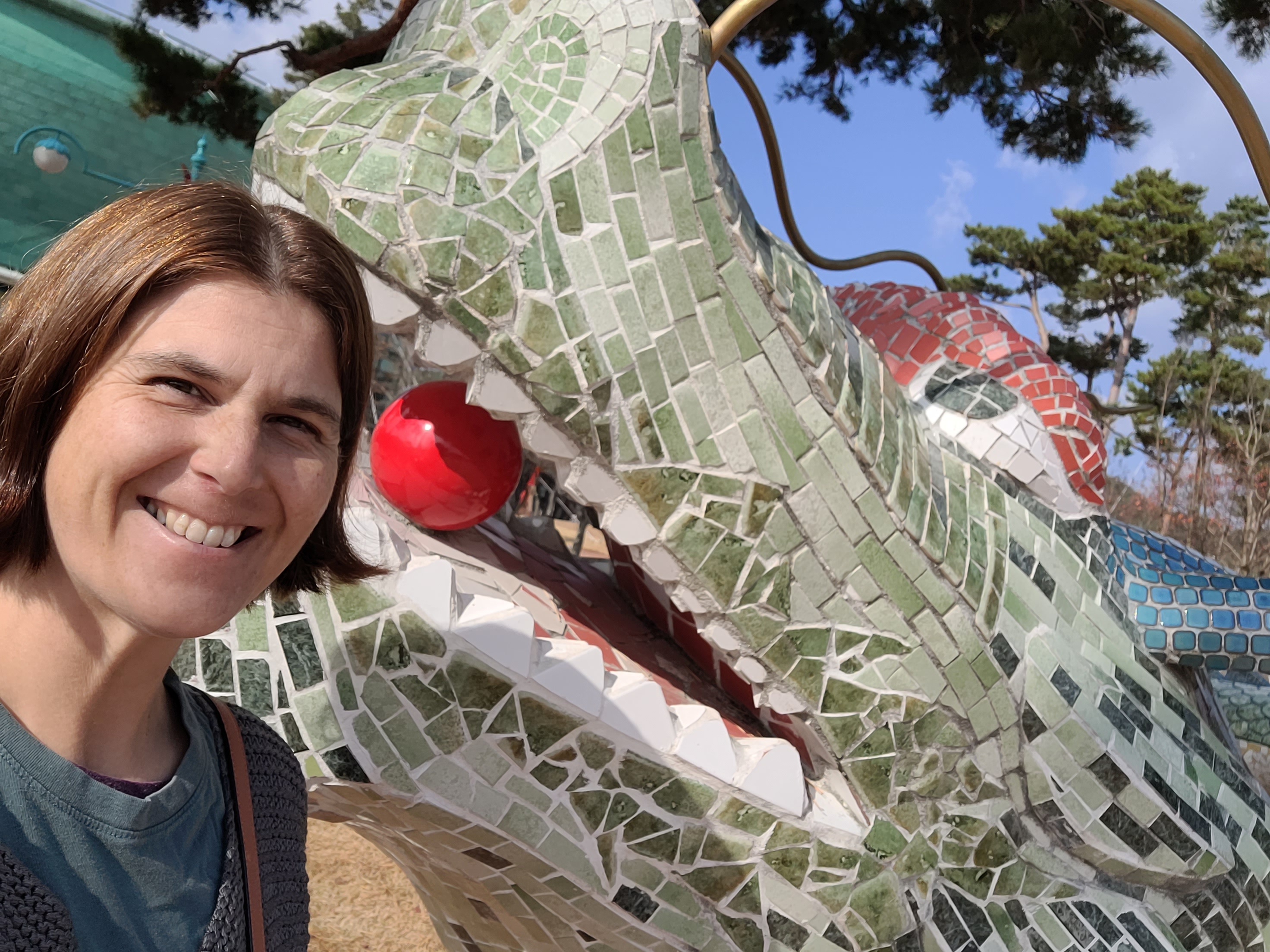
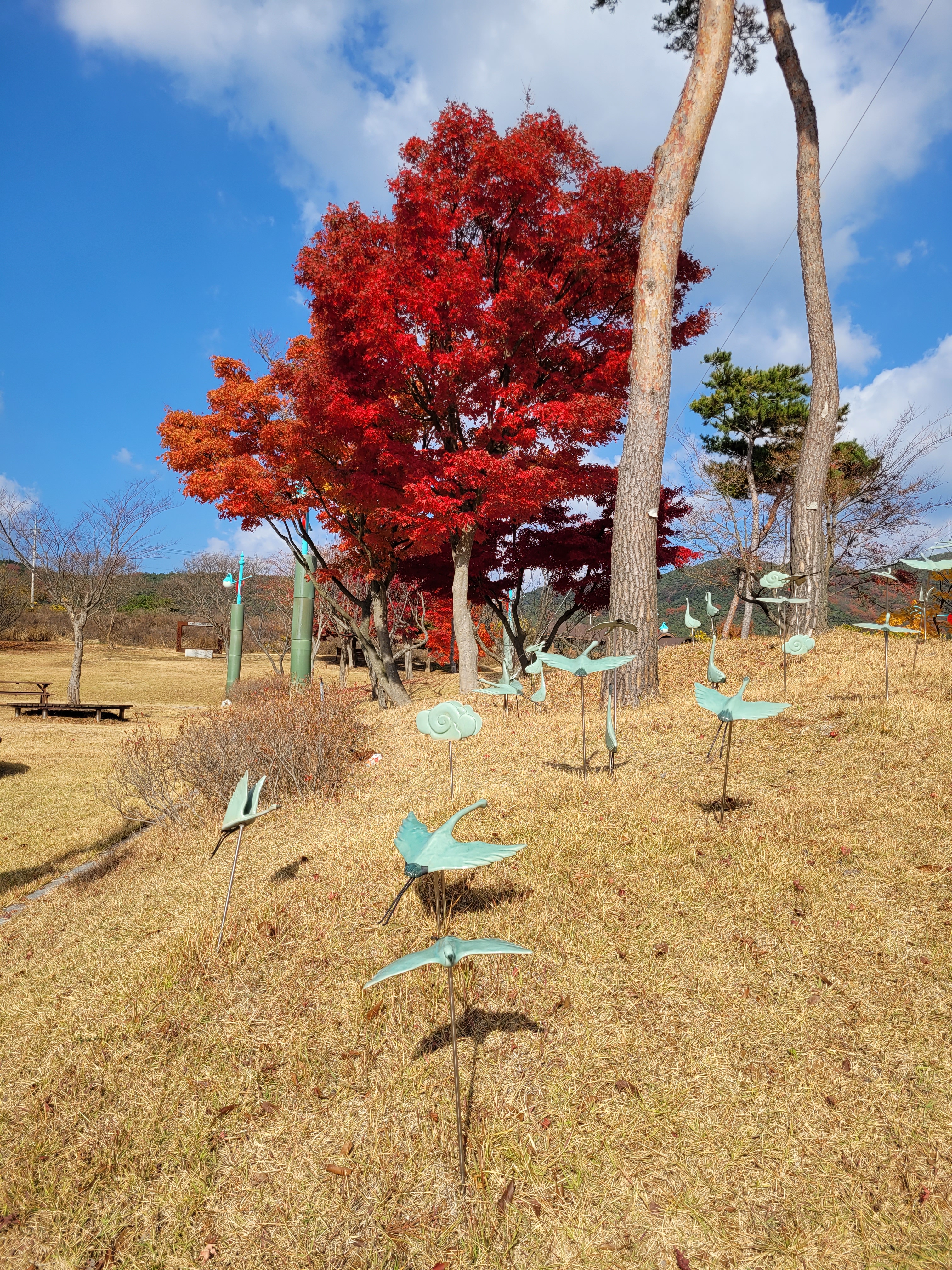
You’re already impressed, right? Pretty darn cool and creative.
Buan, by the way, is a county far off to the western side of Korea, part of which covers the coast, about two thirds down the length of the country. That is to say we are pretty far from Seoul, or really any parts of the country likely to have a good smattering of English, so when you get here, be prepared with your Korean or at least a good translator app.
Though I can order my ticket to get into the museum fine, bless him, the young chap who served me then felt the need to try and give me personalised directions around the museum and did so all in Korean, looking increasingly flustered and bemused with himself when slowly the realisation dawned on him I understood about 3 words of what he said but was politely smiling and nodding regardless. He ploughed on before coming to a stuttering end with a bit of a bow. I thanked him and went to see what I could find.
While some of the information in the museum has both Korean and English explanations, not all does. But fear not, there is a self-guided audio tour you can ask for that takes you around and tells the story of the development of ceramics in Korea if you so choose.
So, what’s here?
Porcelain. Lots of it.
In case you are not aware, China was the first country in the world to produce porcelain. And if you are not clear on what porcelain is, or the difference between it and pottery, let me clarify.
Pottery (also called ceramics) and porcelain are made from different materials. That’s the key. Pottery is made from natural clay, water and other natural components. The main ingredient of porcelain on the other hand is kaolin, which is a soft type of clay mineral (those of us in the animal industry will know of its use as a medicine), and a mix of other elements such as silica and quartz. These differing components give rise to different properties. Porcelain tends to be harder and smoother than pottery, pottery tends to be more porous. Porcelain is also translucent, able to let light through, and more durable than pottery.
While China pioneered porcelain, they were followed closely by Korea around the 10th century (the rest of the world didn’t catch up until about the 15th century), who handily mimicked the process before altering it and thereby producing their own unique type of porcelain – celadon. The difference between Chinese and Korean methodologies lie in the construction of their kilns, mostly clay built in Korea and brick built in China, as well as the firing process (the ‘baking’ of the clay) which China only completes once whereas Korea fires theirs twice. It is during this second firing phase that a thin glaze was applied all over the vessel, which was important in providing the delicate and transparent feeling unique to the celadon.
Celadon is a pale green colour and these porcelain pieces were highly prized during the Goryeo period and used frequently by royalty and nobles alike. Today, they are still highly popular pieces in Korea. As the development of celadon continued, the technique of creating inlays was born, meaning pieces were not only shaped into many different objects, but they could be beautifully decorated and with multiple colourings.
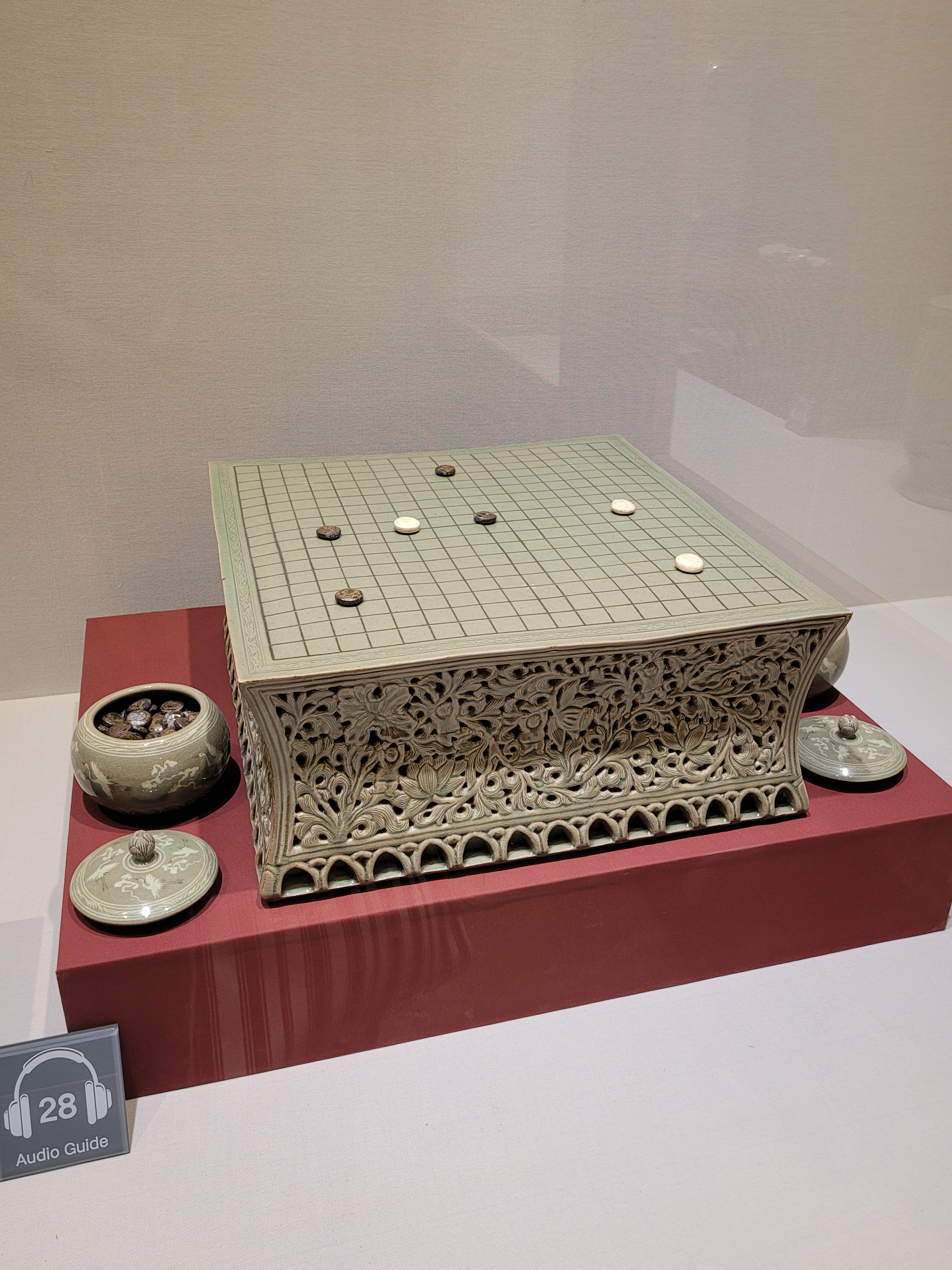
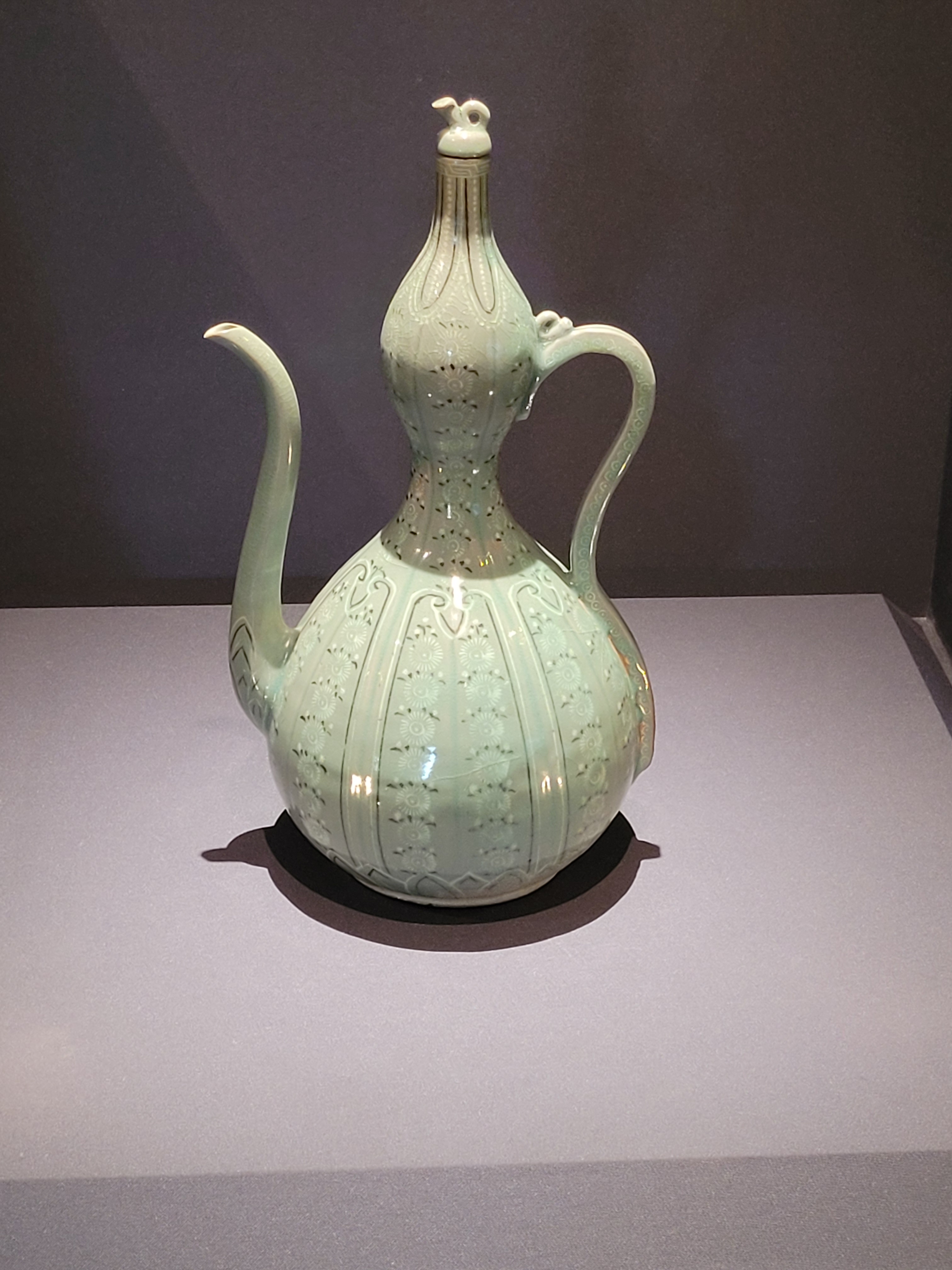
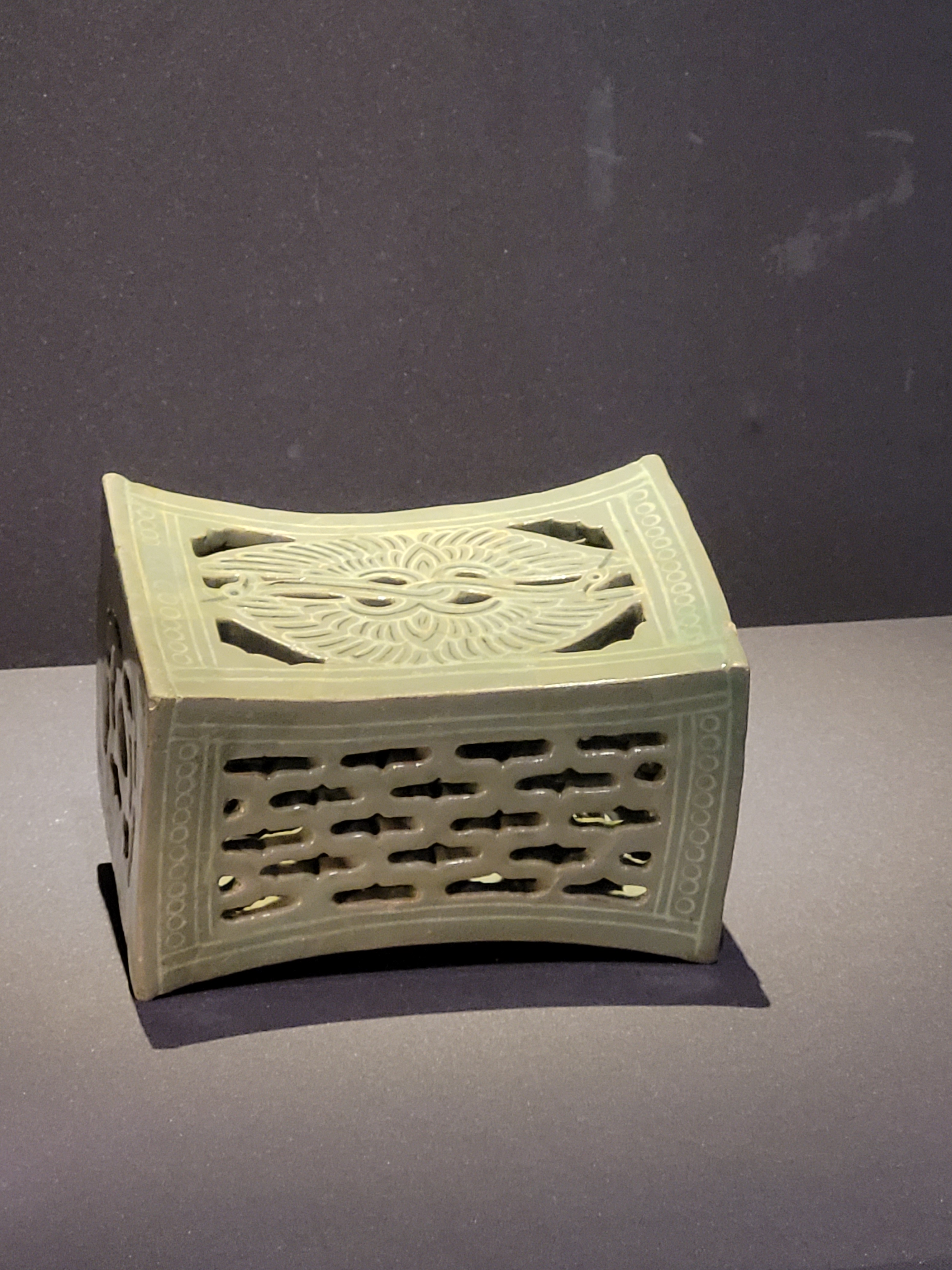
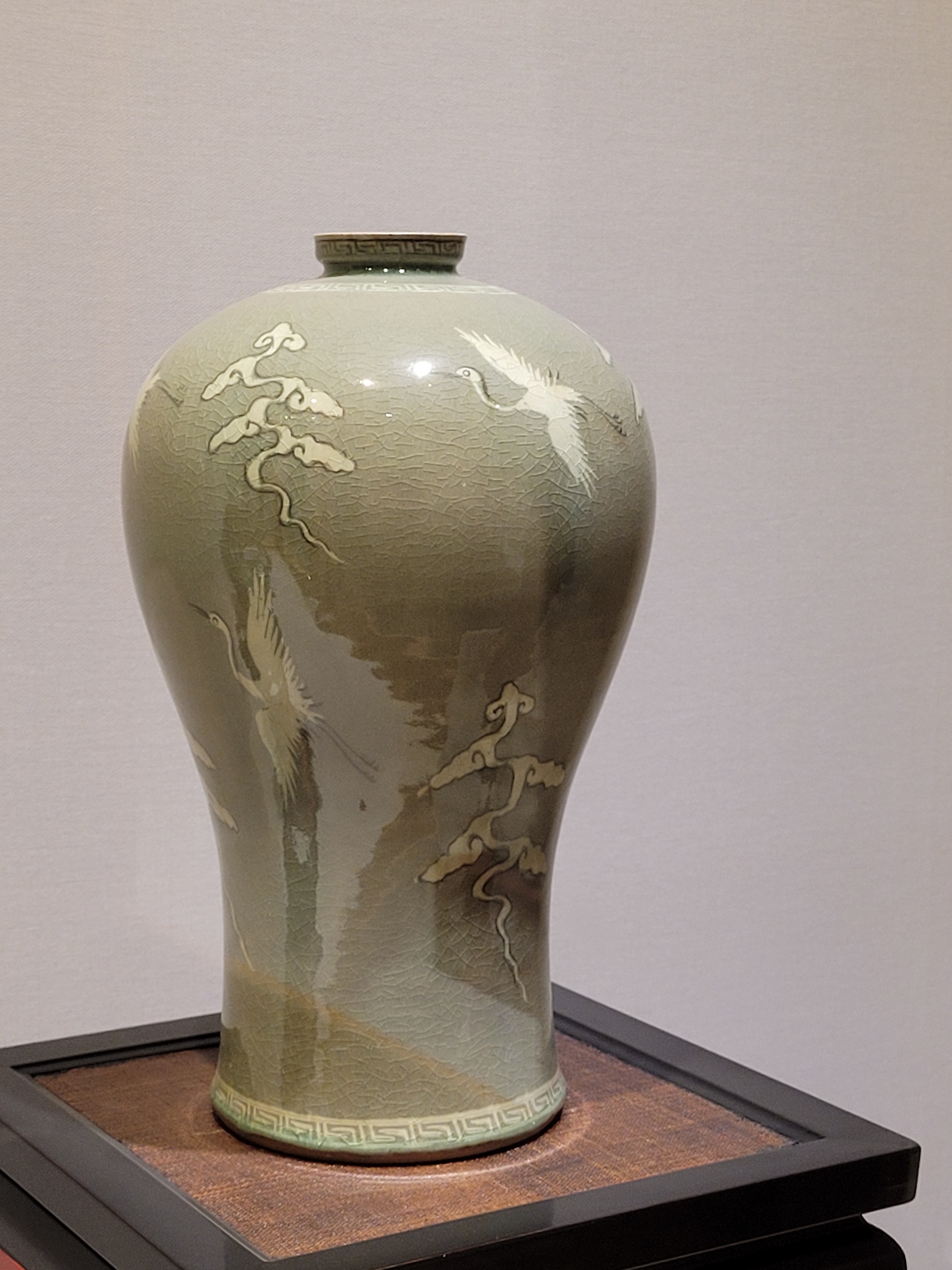
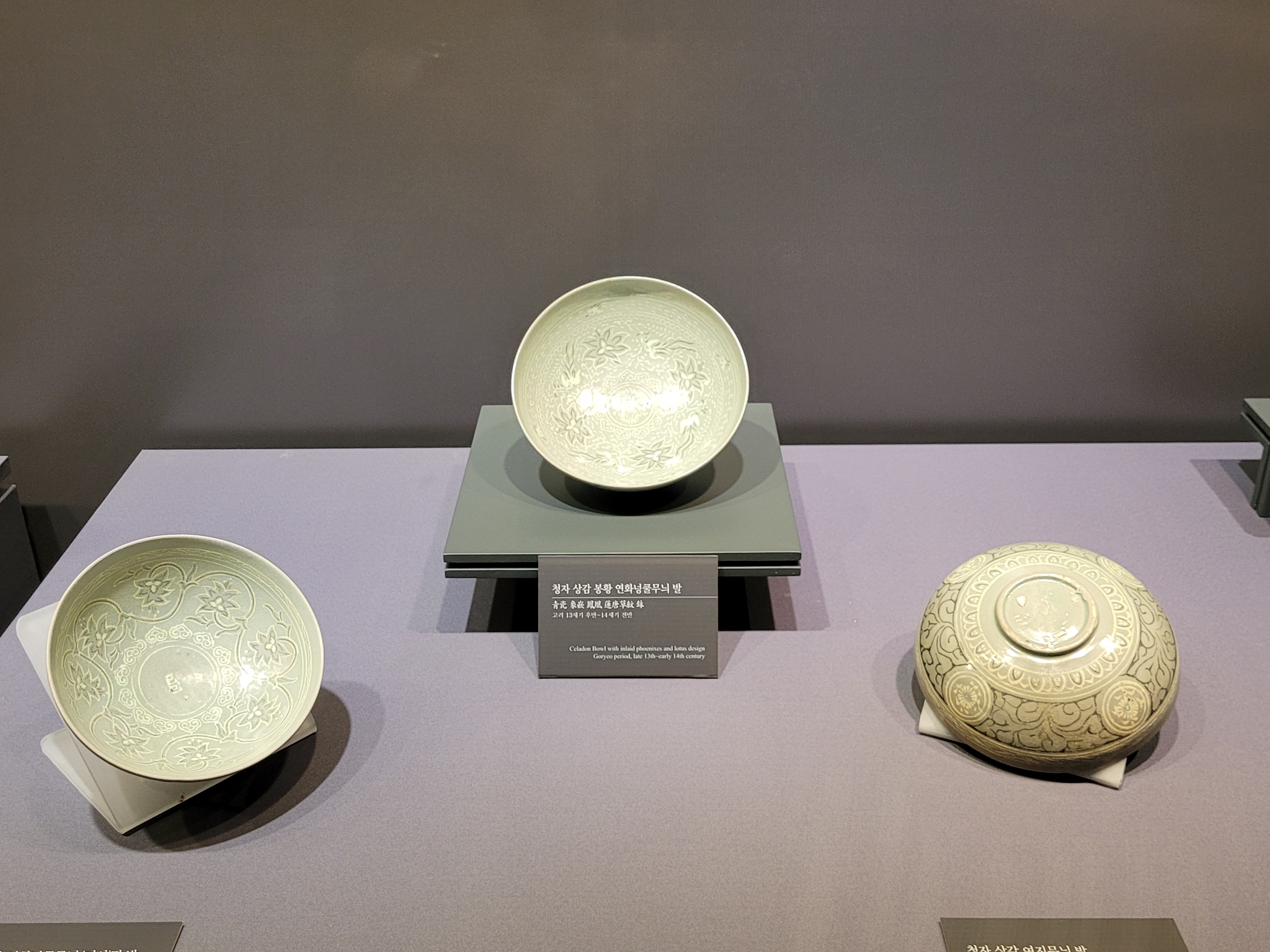
Not only does the museum house a vast amount of pristine examples of celadon demonstrating and explaining the development of the porcelain over time, they also have a rather wonderful and creative exhibition you can wander through which tells this story using voice and 3D models of a working potters.

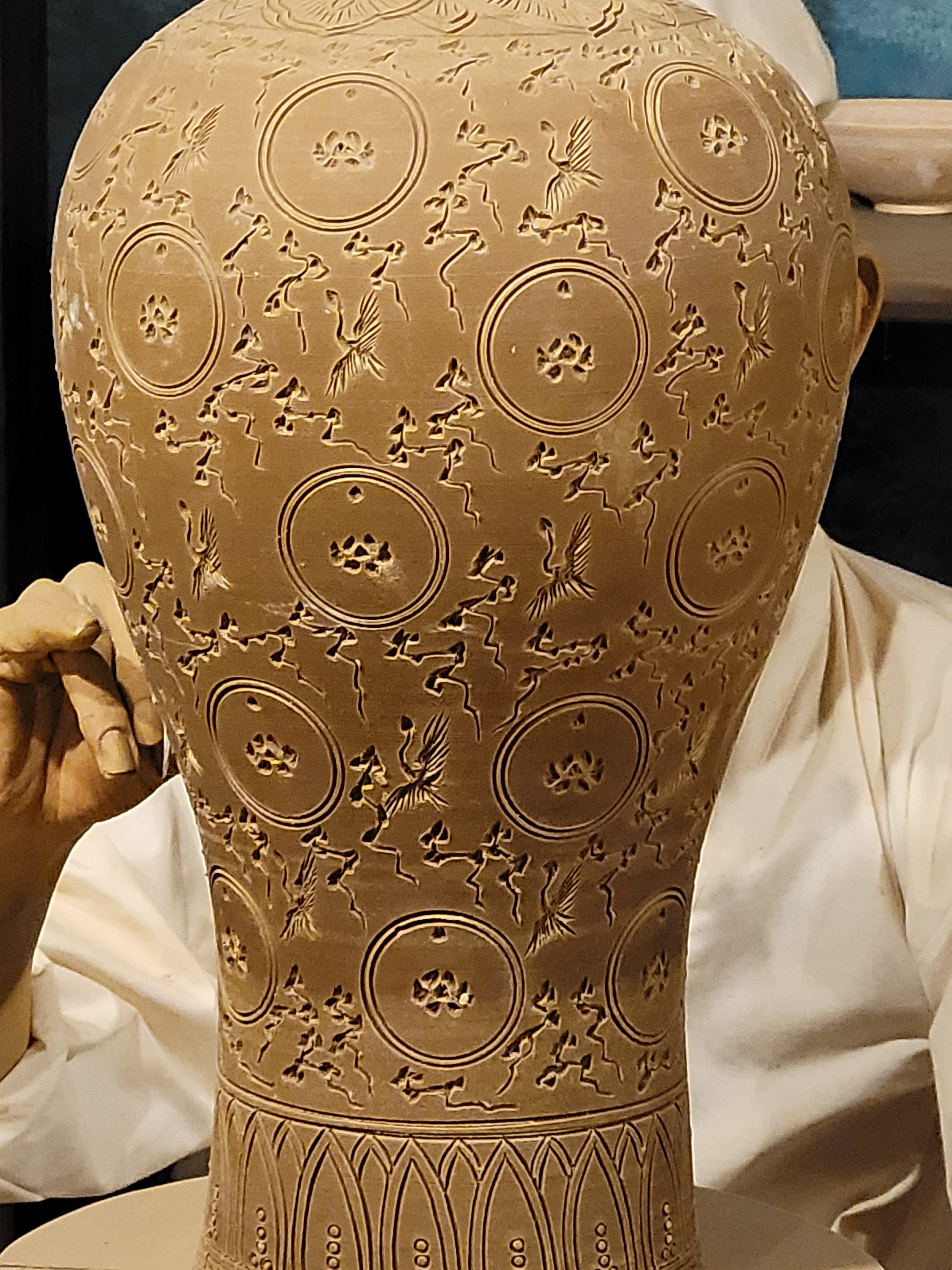
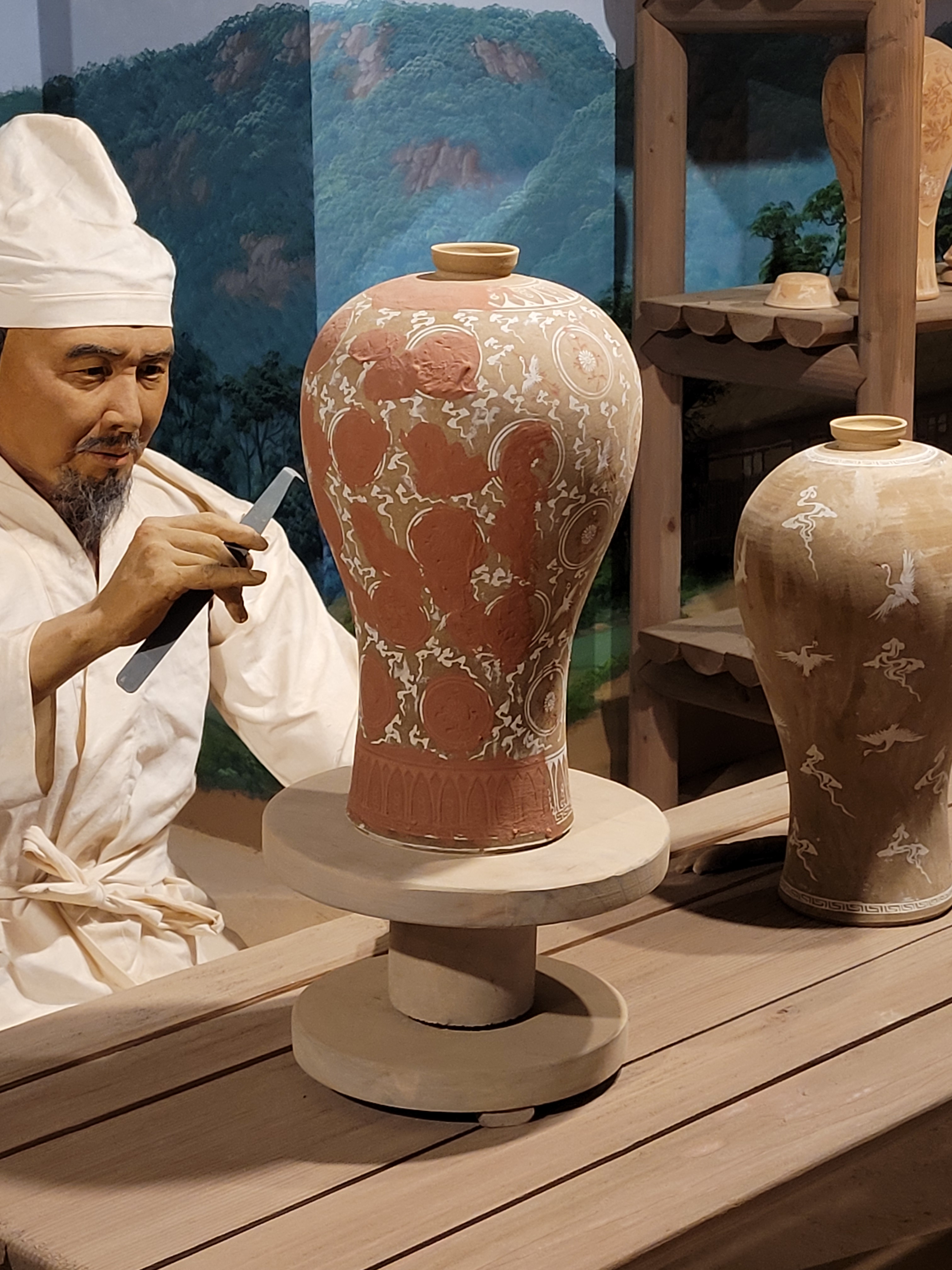
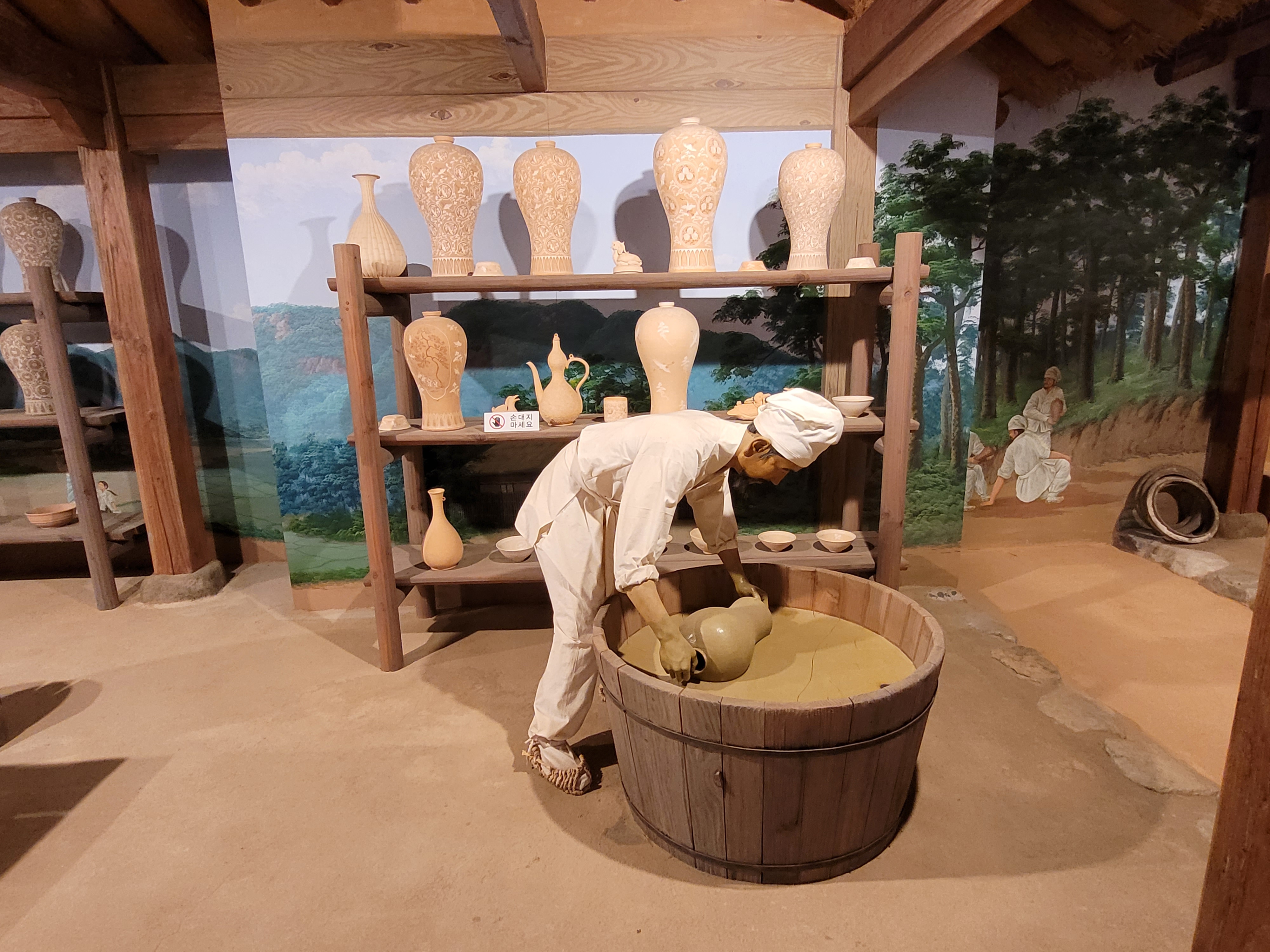
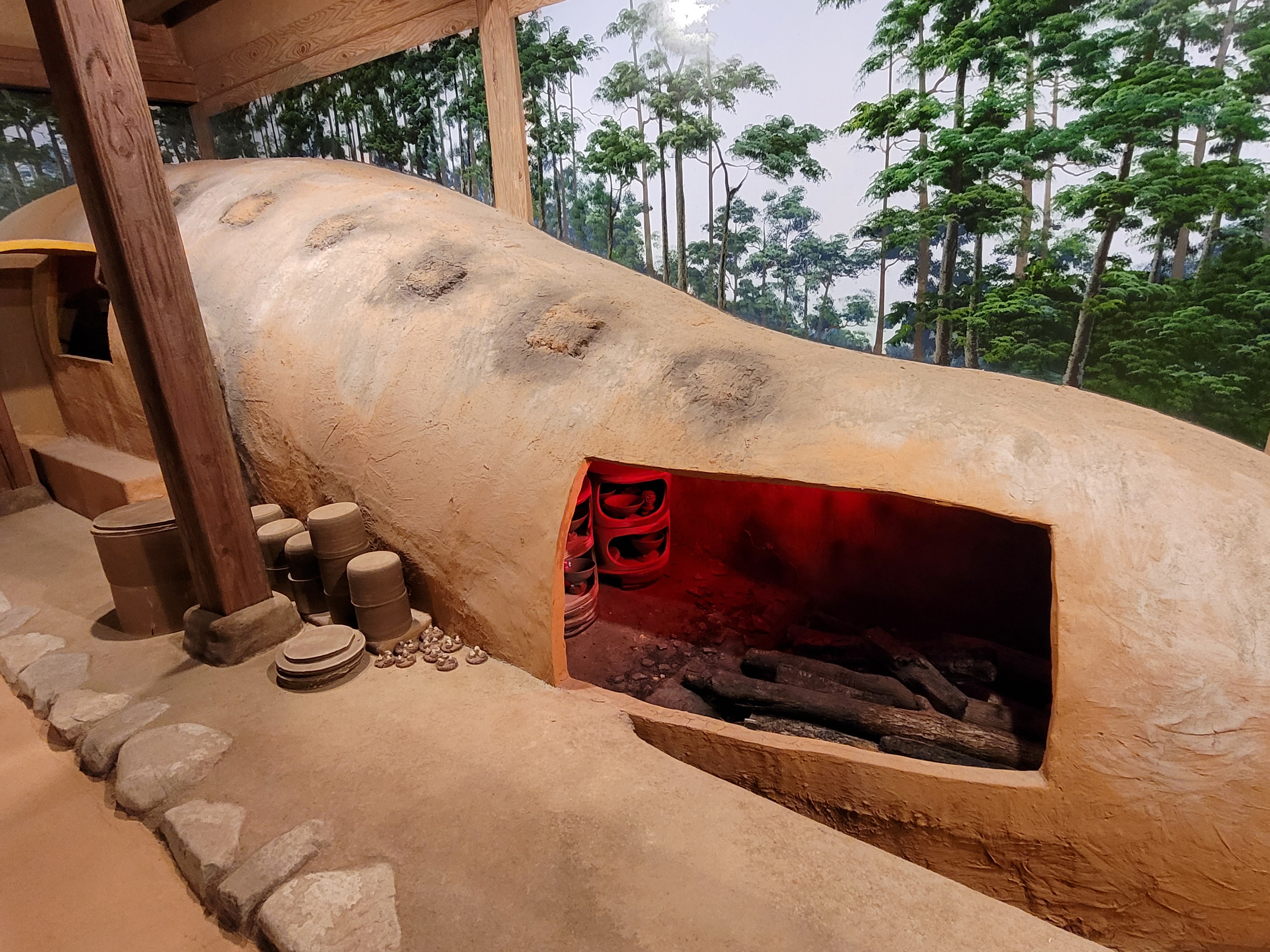
Additionally, for the kids (or those of us who like to still play and explore) there is a room full of games to play, all related to pottery of course! As there were only a handful of people in the whole museum, and none in the play room, I decided to try my hand at putting together some broken pottery…
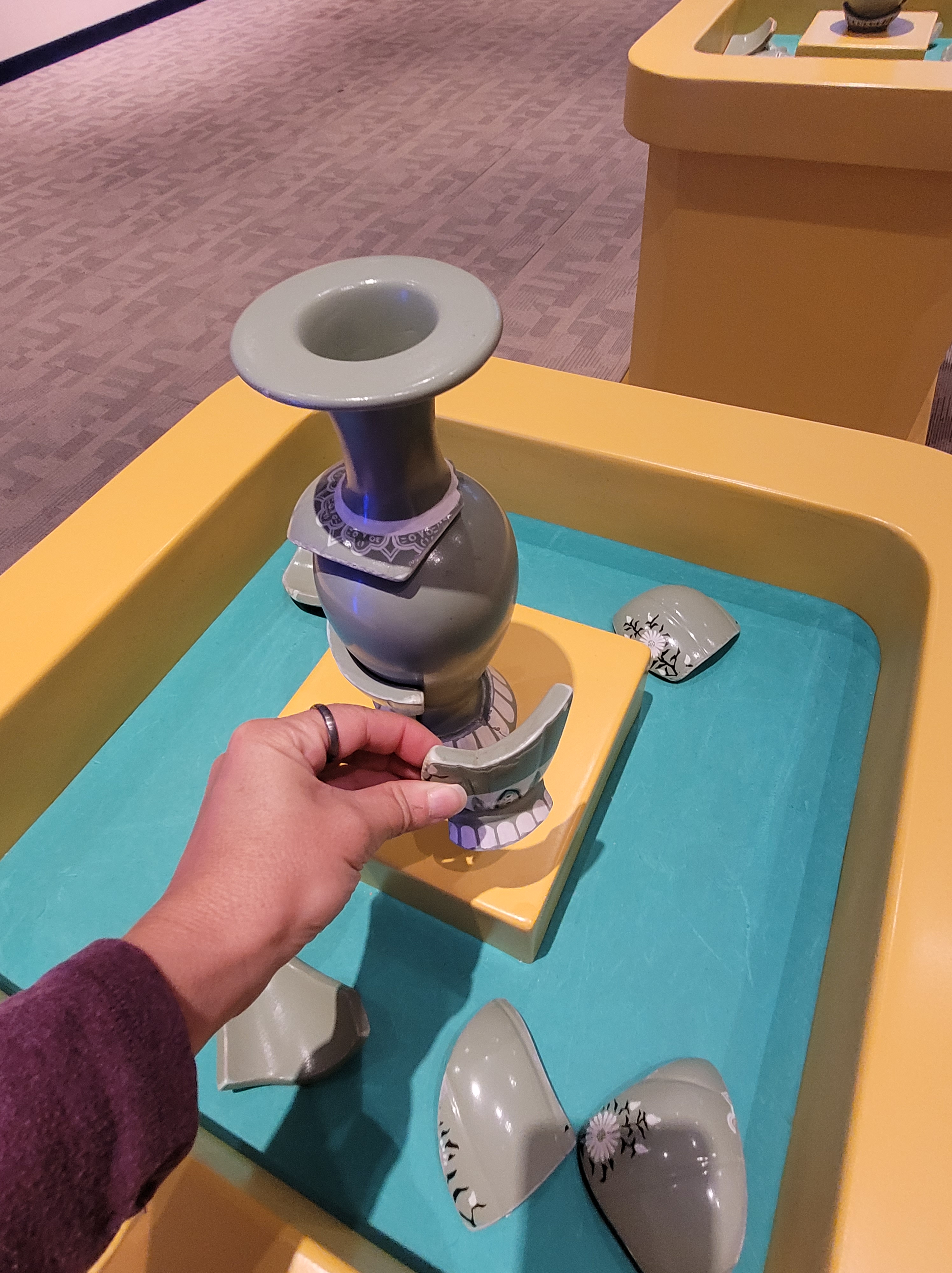
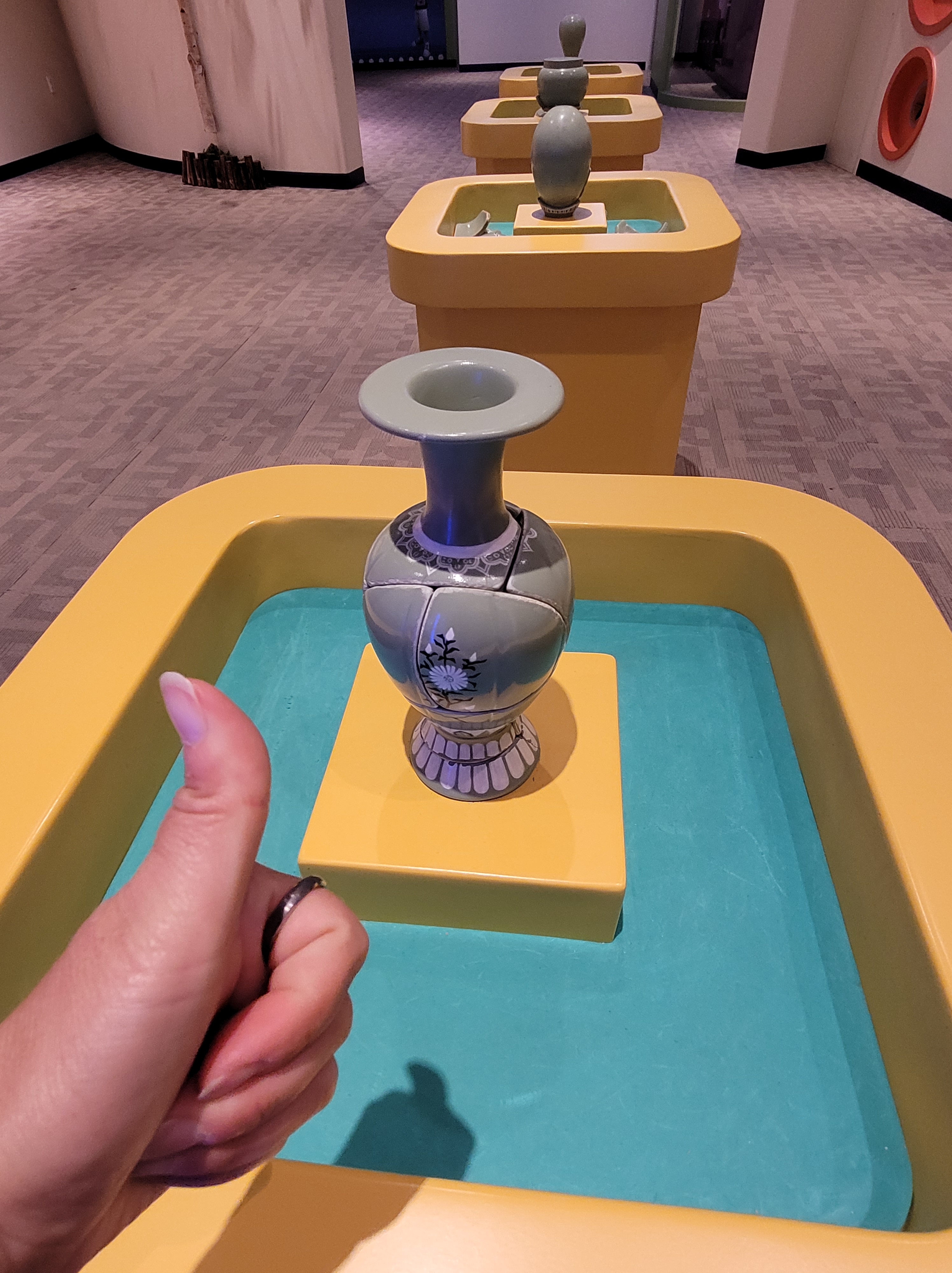
The museum does also offer pottery making and decorating classes and experiences, however, given the time of year/time of day, none of these were running, otherwise I totally would have had a go.
To make myself feel better, I wandered over to the museum shop which is stocked with celadon pieces created and handmade by individual potters. Well, I wasn’t planning on leaving Korea without some celadon in hand, and so rather shakily I handed over my credit card to purchase a pair of sister vases and a massive serving plate, all with crane designs inlaid on them.
With my new purchases safely stowed in the car (and which indeed made it safely back to the UK in one piece), I turned my trusty steed in the direction of our next location for the day – Buan Cine Park, an outdoor film set used for historical dramas.
I was fully prepared for what happened when I arrived, it was closed. I knew this because I had checked the internet beforehand, and although the actual main website stated nothing about it being shut, there was a local Korean website that stated it was and would be for the foreseeable future (no clue or information as to why though – off season?). As I was passing in this direction anyway, I decided to cross my fingers and take the chance that for some reason it would be magically open when I presented myself at the gate. And it wasn’t.
The reason for my visit today, this is one of the filming locations for 100 Days My Prince, the drama that introduced me to Doh Kyungsoo for the first time. Some of the main palace scenes were acted out here and I would have liked to have seen the site, but as my hopes weren’t high in the first place, I didn’t feel too disappointed. Instead, a little unexpectedly, what I was feeling was determined.
Rather than simply drive away, I got out of the car and looked around at the surroundings.
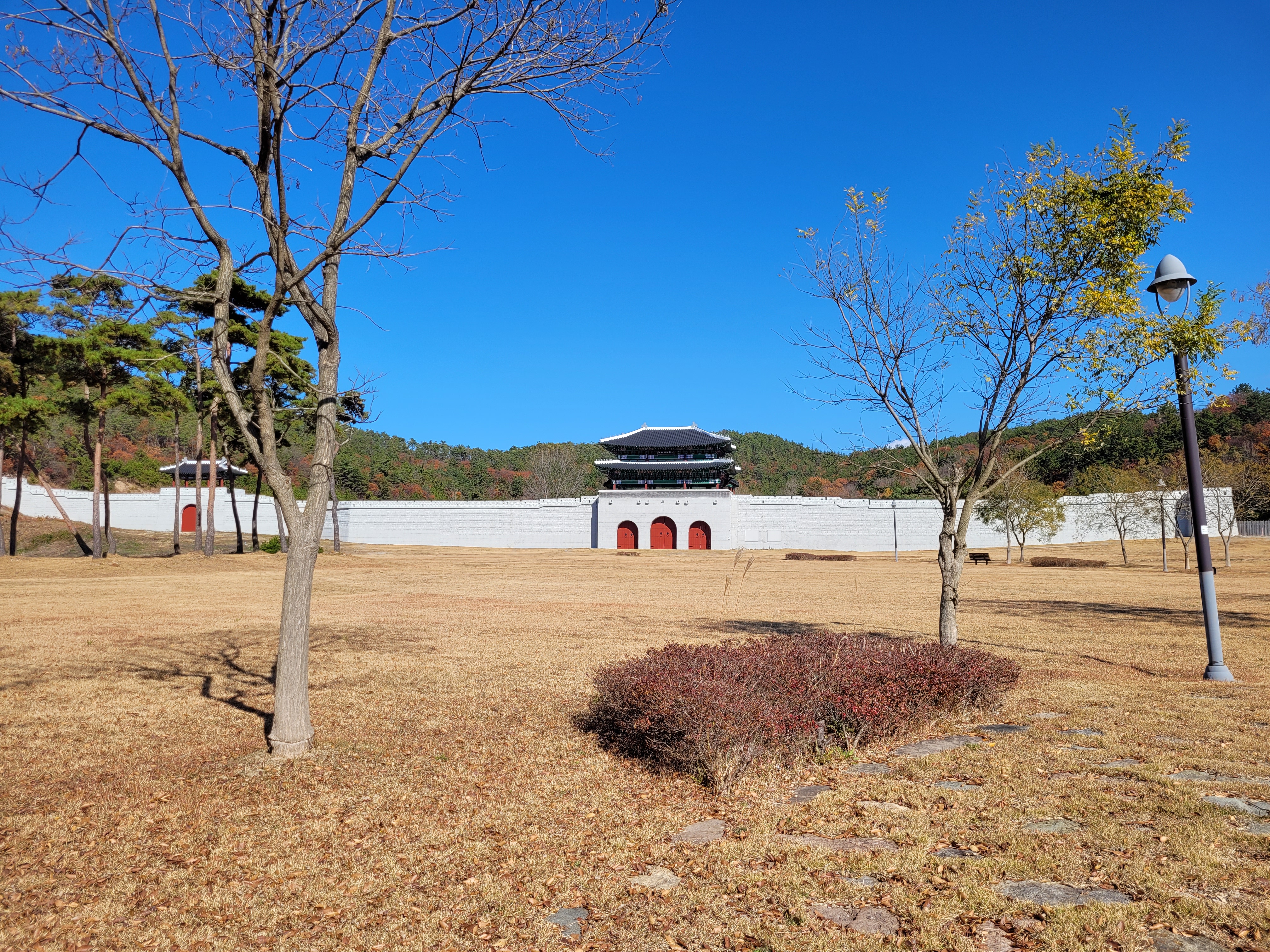
The whole side and back of the site is surrounded by woody hills. Up high. Or at least, higher than the wall surrounding the film set. Hmm. If I could just somehow get up there…
For those of you, like me, who are a little dogged and industrious in nature, you might like to know that should you visit the Buan Cine Park and it is closed, you can still get a peek inside should you wander to the far left side of the car park and find this sign…
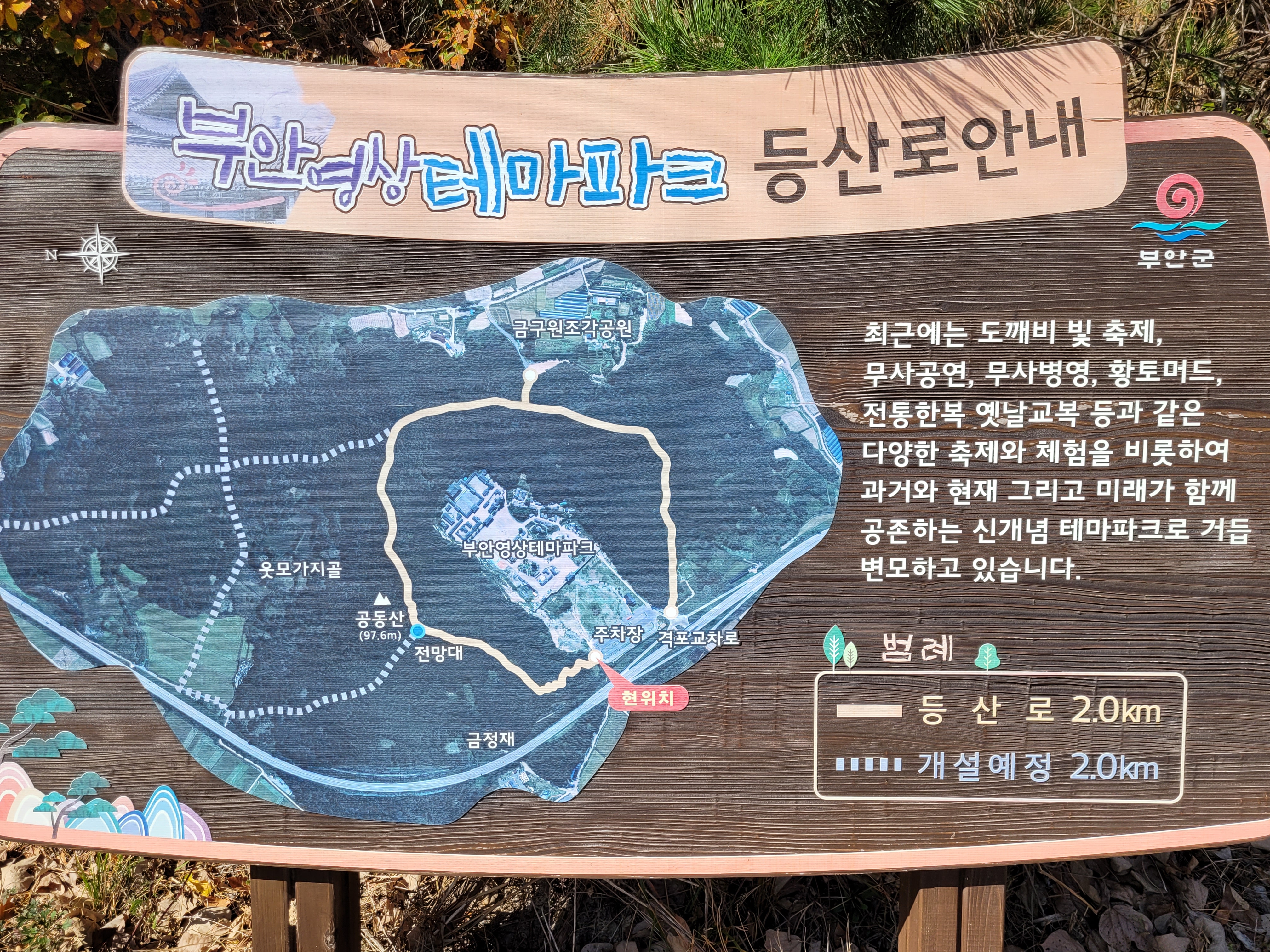
Yup, this is a hiking trail for Gongdungsan, a rather hefty name for a small peak of 98m. The full trail appears to encircle the whole cine park, but if you are happy with just a glance inside, all you have to do is walk the first part (about 20minutes in total) to the ‘observation deck’ area (it’s a few little wooden planks really). The deck overlooks the nearby town and sea, but if you make your way to the other side of the path and have a small but firm chat with the undergrowth and trees, you can indeed see into the park. Be warned though, your journey will look like this…
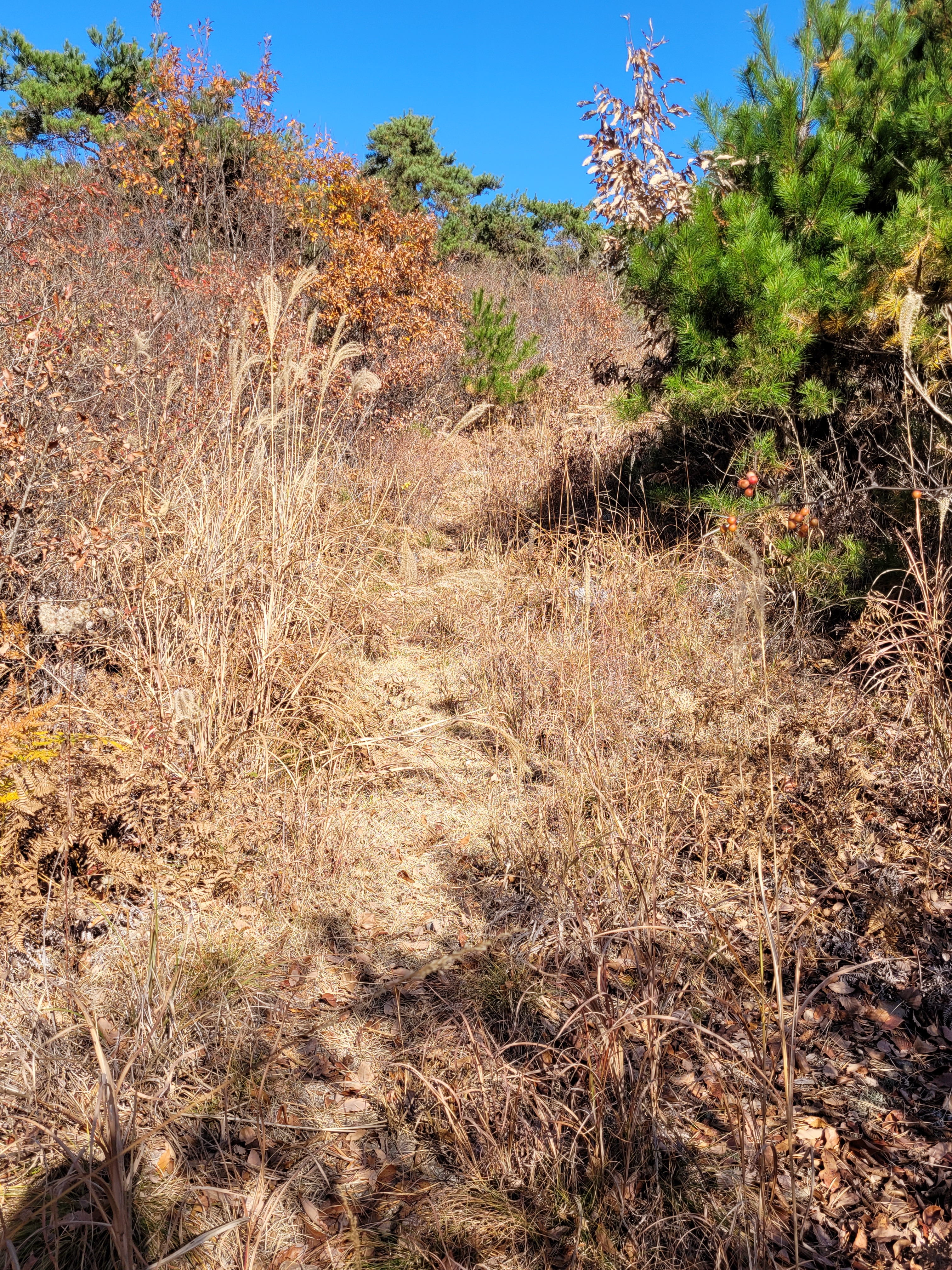
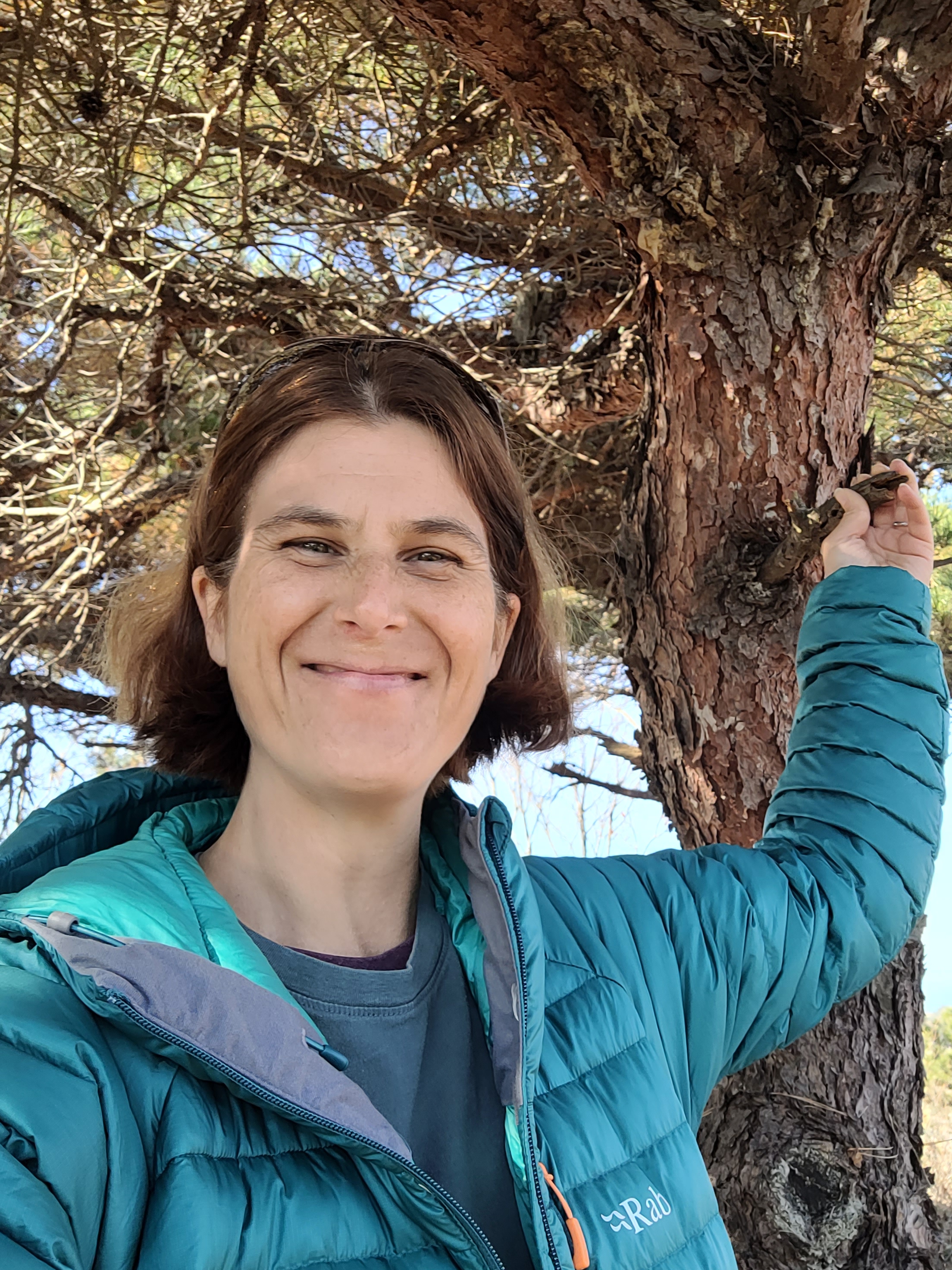
In the end, by scaling a small hill along a rather overgrown path and then climbing a tree, I got what I wanted, to view the palace.
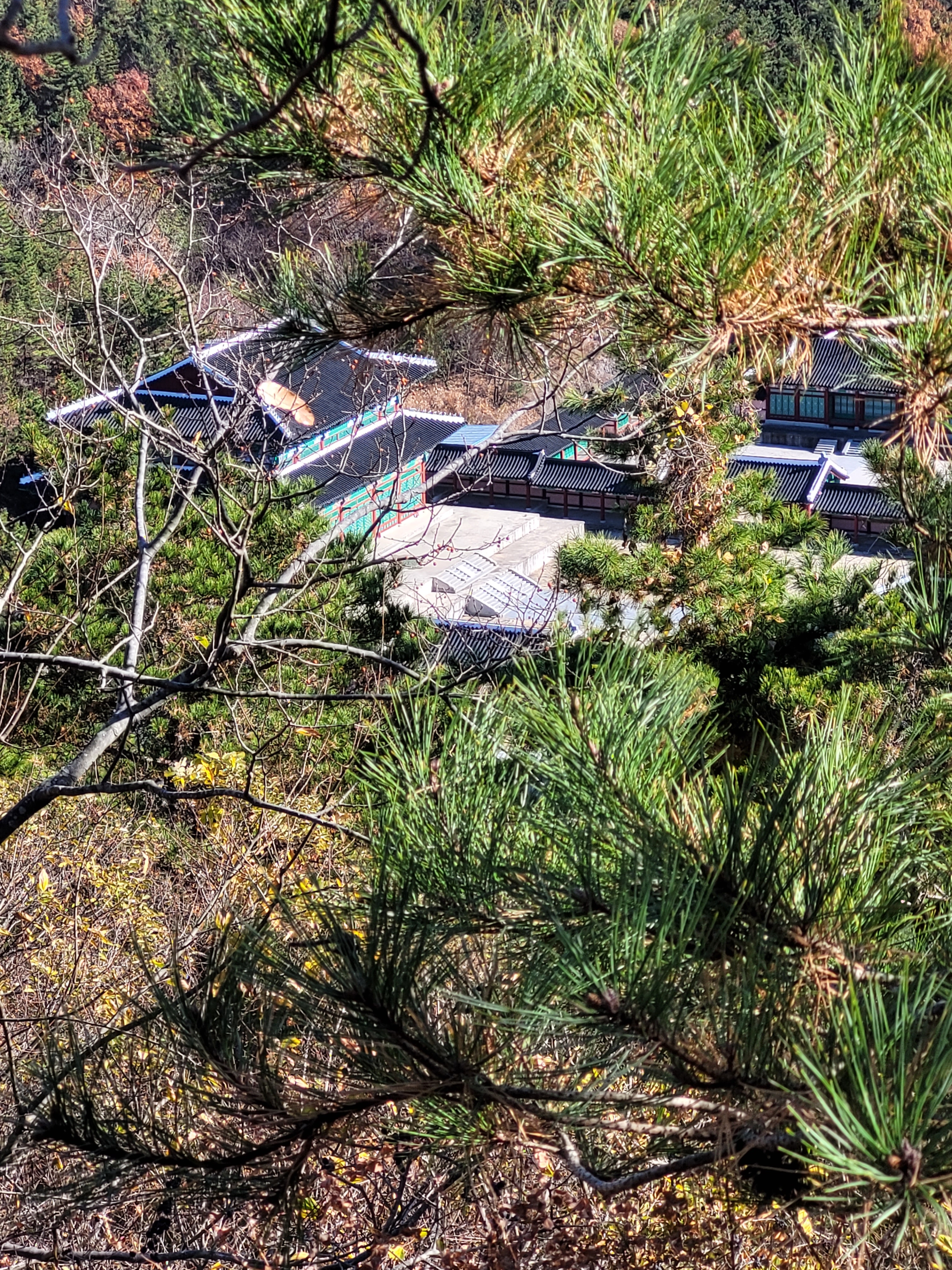
Mission complete, it’s time for the last visit of the day; we are off to take a late afternoon leisurely stroll and then to enjoy the sunset on the beach at Byeonsanbando National Park. Byeonsanbando holds the distinction of being the only peninsular national park in Korea, consisting of both mountains and ocean. Now, I could go climb one of the three mountains in the park for my stamp today, but instead I have decided to opt for the milder option, walking up to an observatory on a hill and then along the pathway following the beach front.
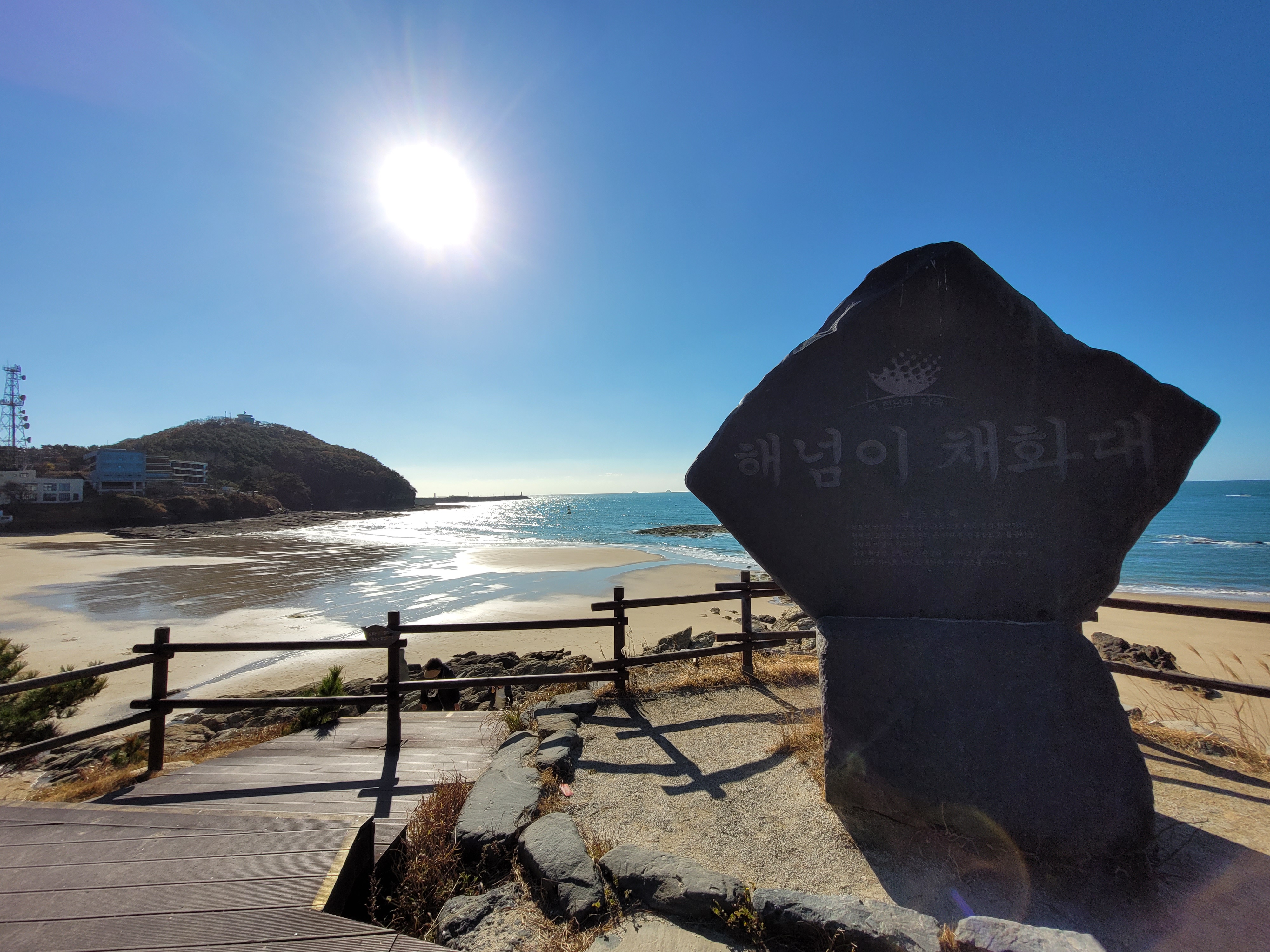
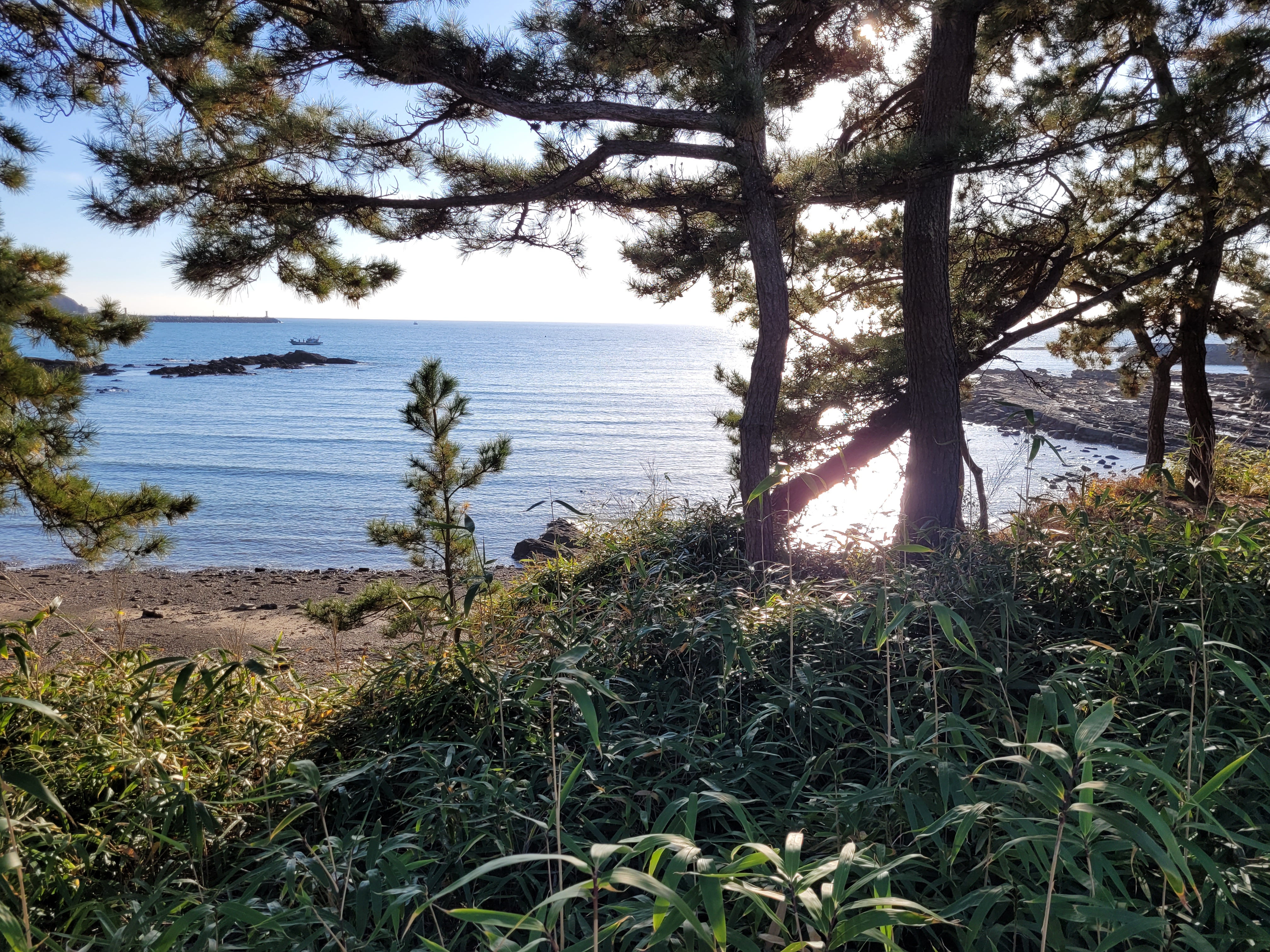
My wanderings go a little bit astray however. I do indeed make the climb up to the observatory and I am looking forward to the view over the water, it’s a bit of a decent hill and I am quite warm by the time I get three quarters of the way up, only to find the path blocked by a banner strung across it telling me the observatory is under construction. Well, alright then. That sucks a bit. But it’s not the fact the observatory is closed that bothers me, so much as the fact you don’t find that out until all the way up the bloody hill! Why on earth didn’t they just put the banner at the bottom where the road begins? The road leads nowhere but the observatory, and it’s not like they’ve left the option to climb to see the view as you go, because this is all you glance between the trees on the way up…

It’s just rather…annoying.
Taking a deep breath so as to not get further frustrated, I march back down the way I came and decide to go rogue by darting down a side road I spy to check out where it leads to.
And this is what I get…
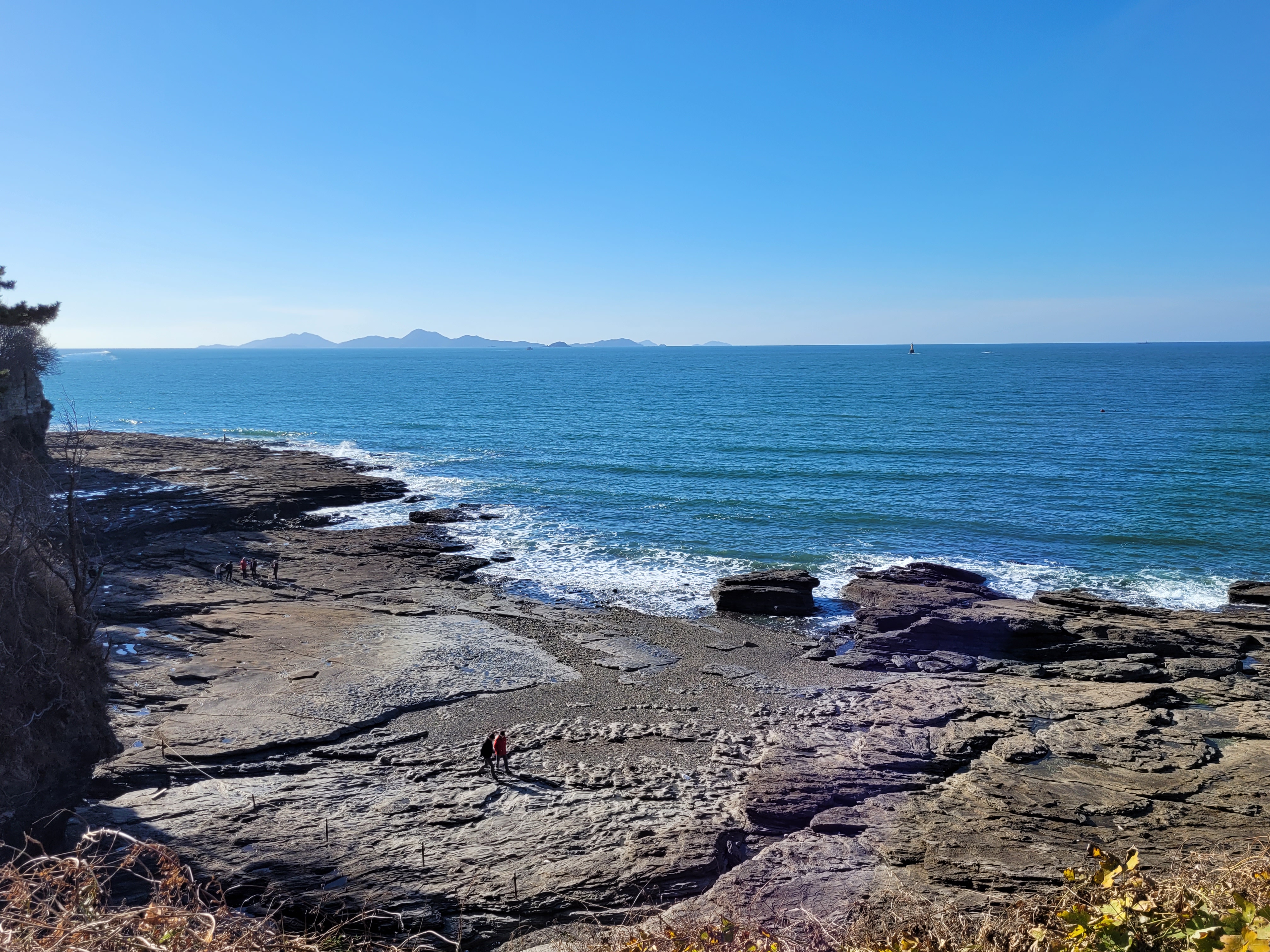
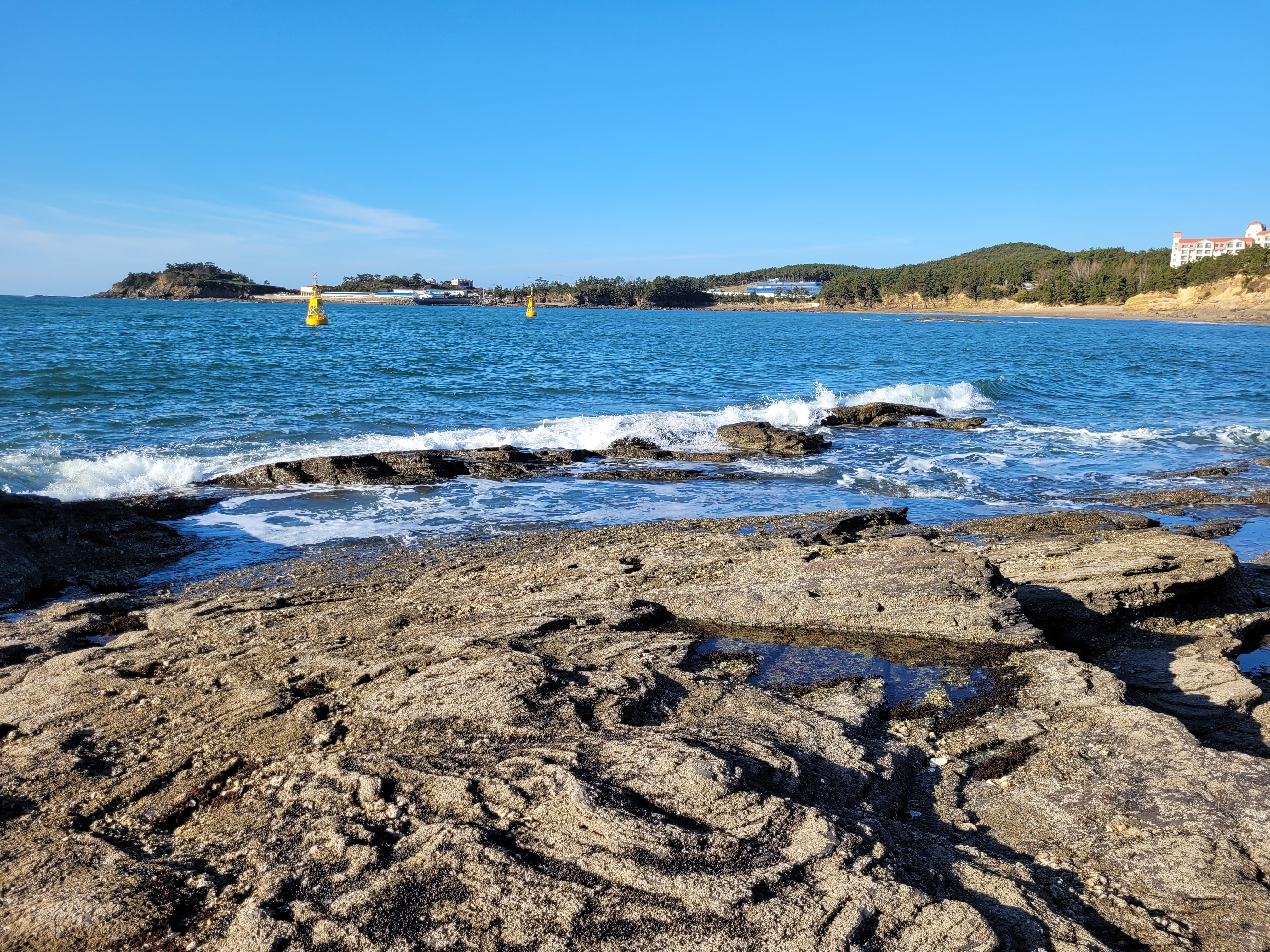
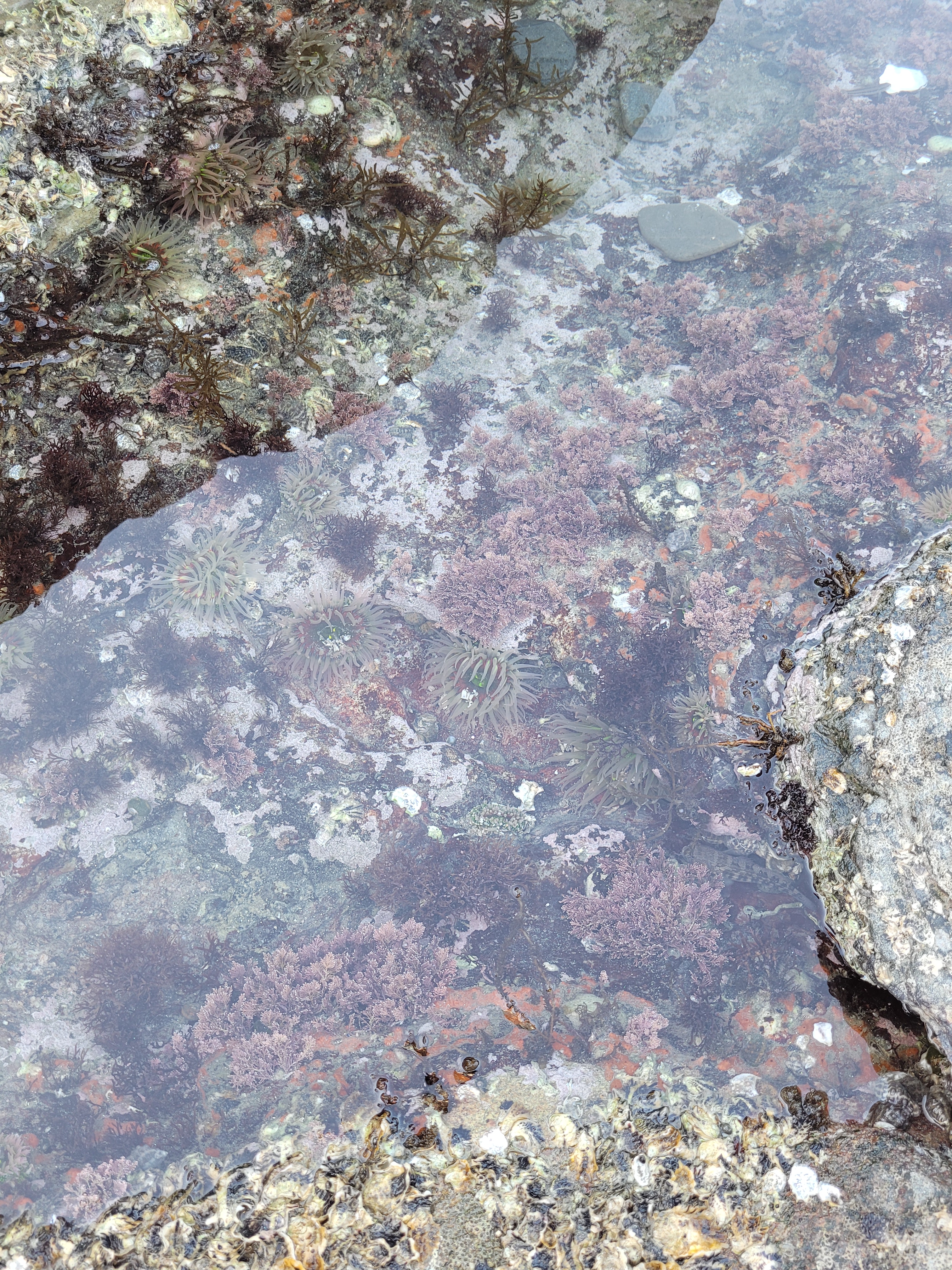
Well, this is far better than seeing the West Sea (Yellow Sea) from above, now I get to sit next to it and eat lunch!
I have stumbled upon the far end of Chaeseokgang Cliffs, a geological site known for its stratified pancake-looking rocks. Personally, at the moment, I am more interested in the water, waves and rock pools. I spend a good long time wandering from pool to pool and checking out the anemones, small fish, and scuttling crustaceans which fascinate me; before plonking myself right there on the rocks to eat my convenience store gimbap and drink banana milk. What could be better than that?
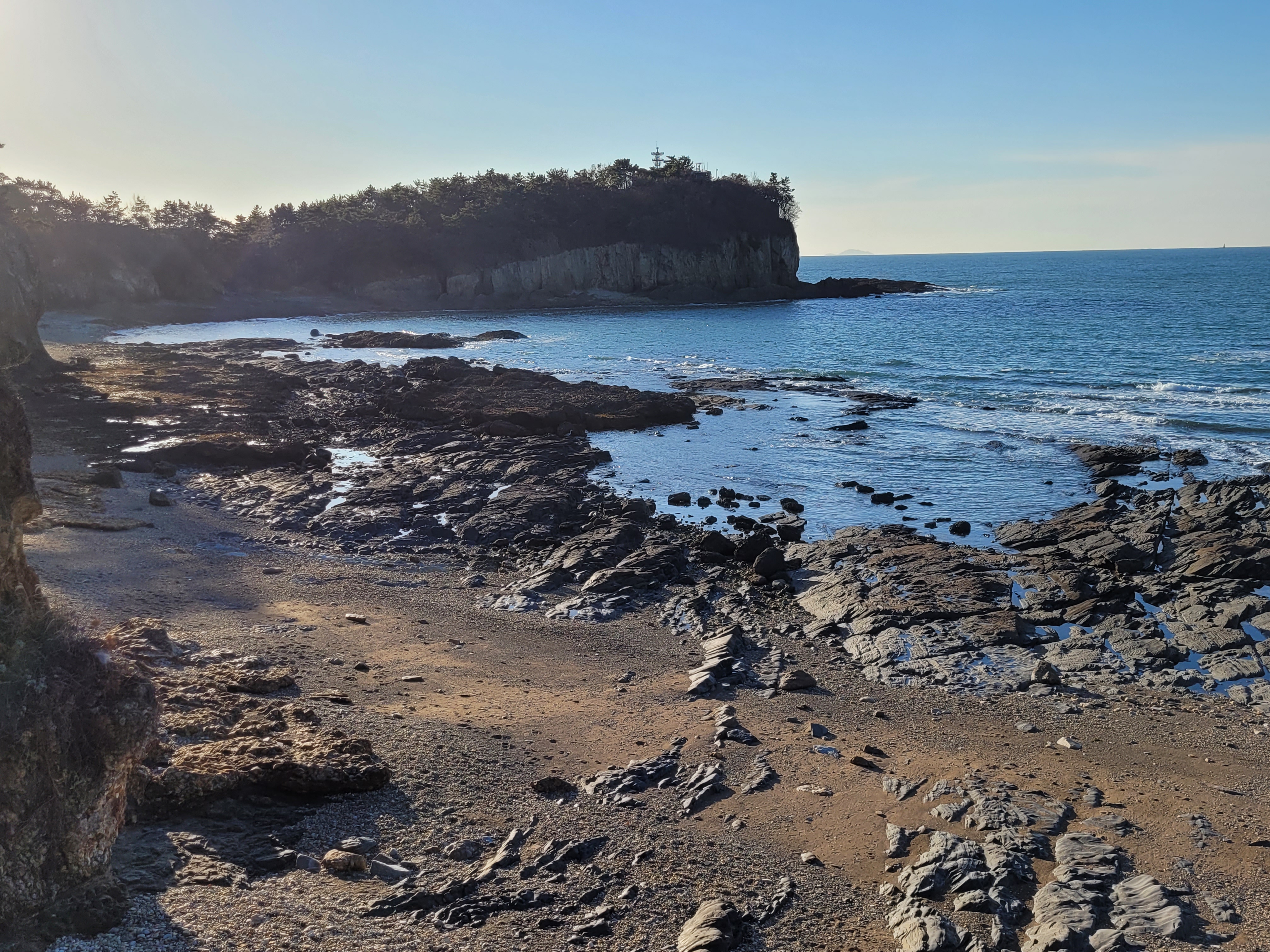
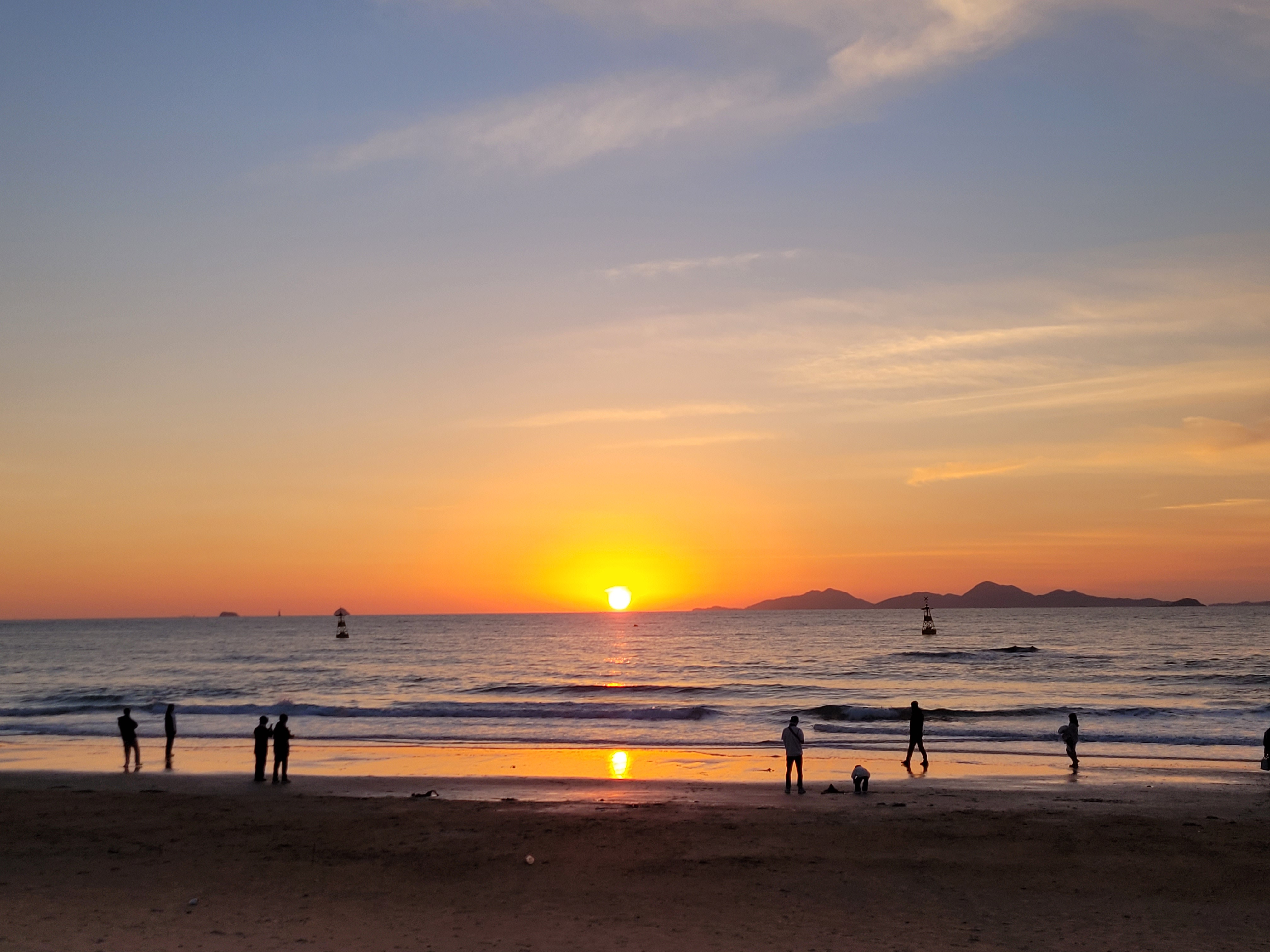
Following the cliffs all the way to the end, I find myself on Gyeokpo Beach, a popular place to come and watch the sunset. However, I still have another hour or so before that happens, and I feel I need a little more walking to justify the stamp I shall be shortly collecting. So off I go along the road trail that follows the beach and is classed as part of the national park.
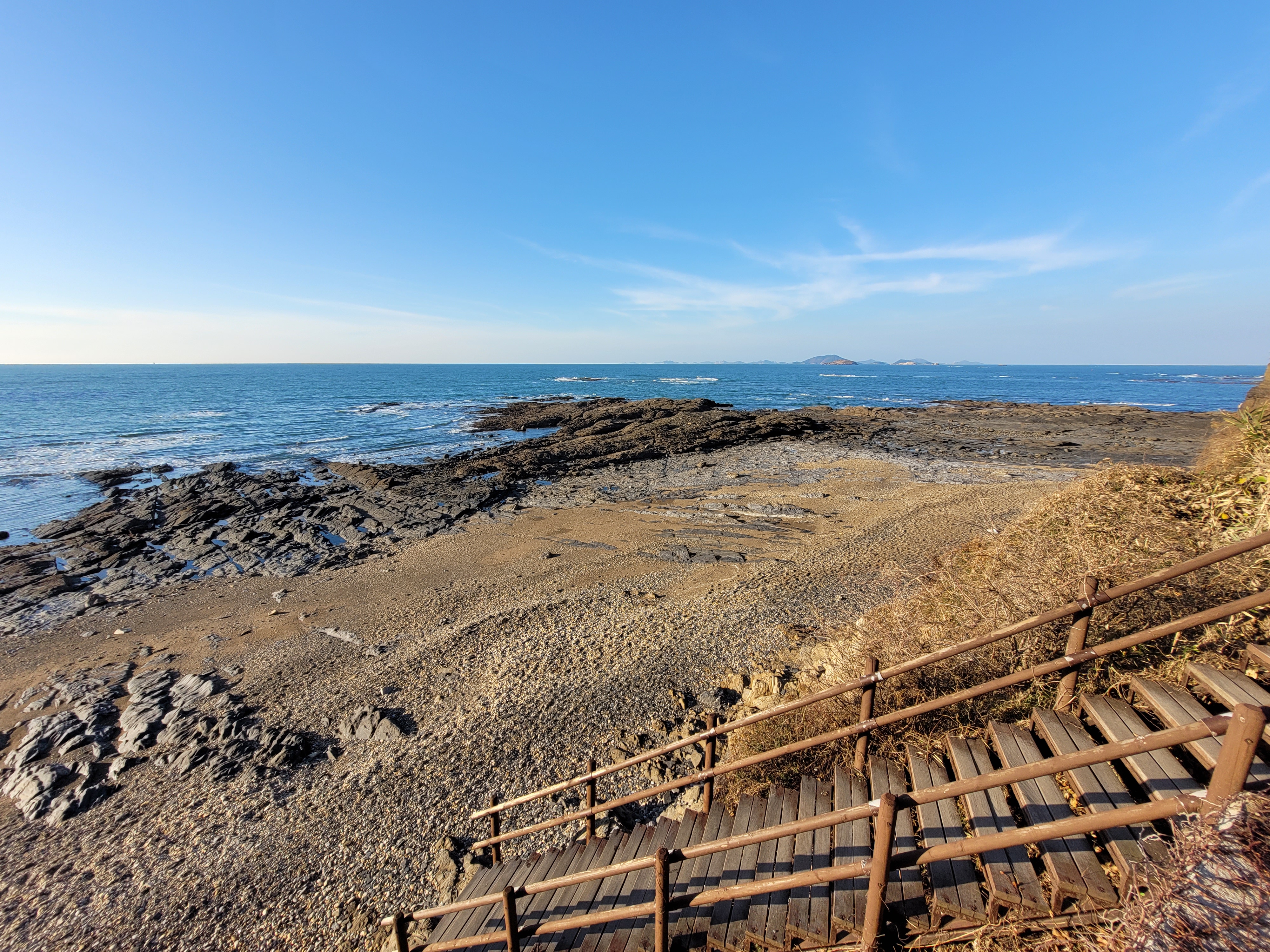
And this is what I see as I go…
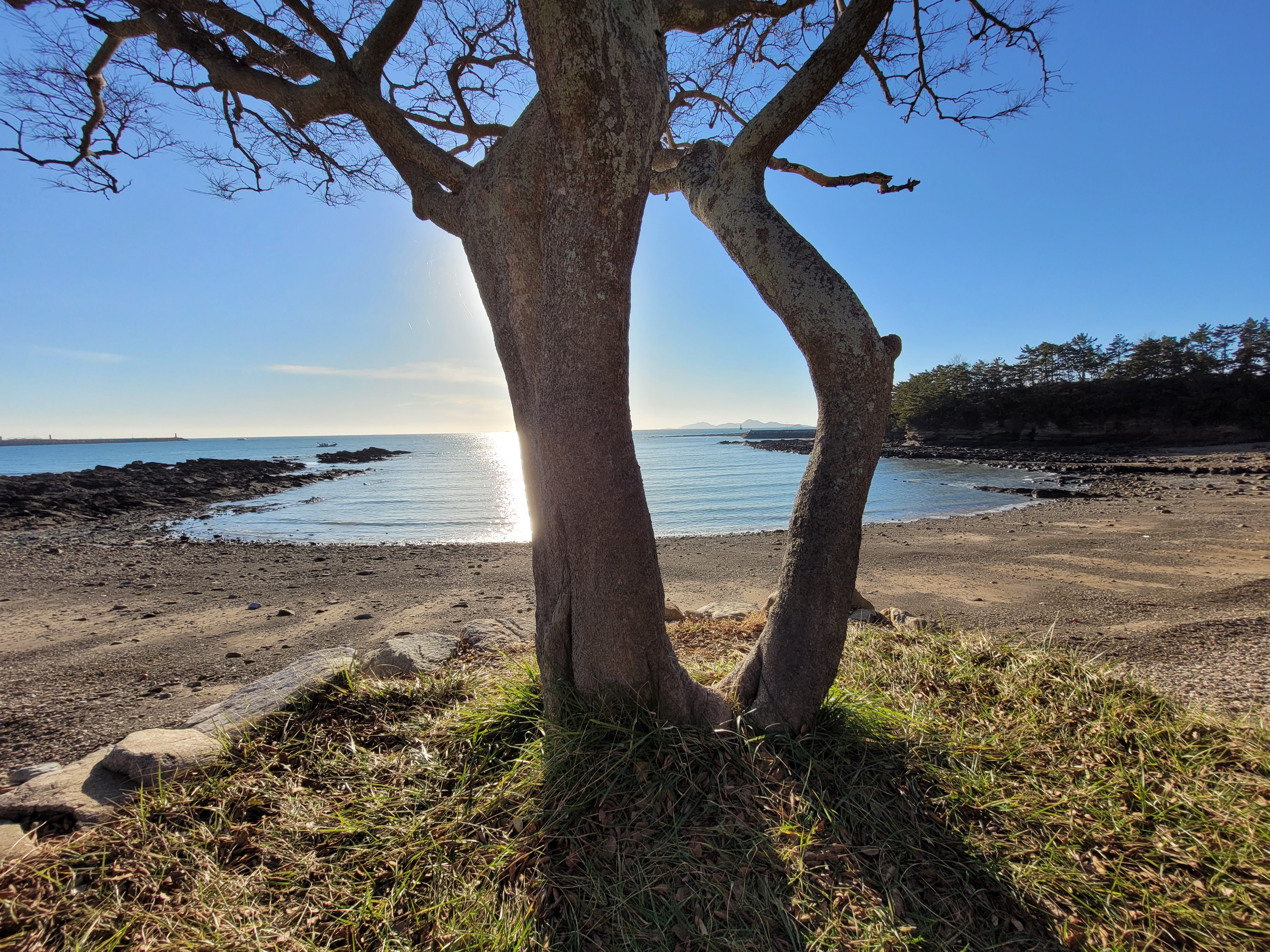
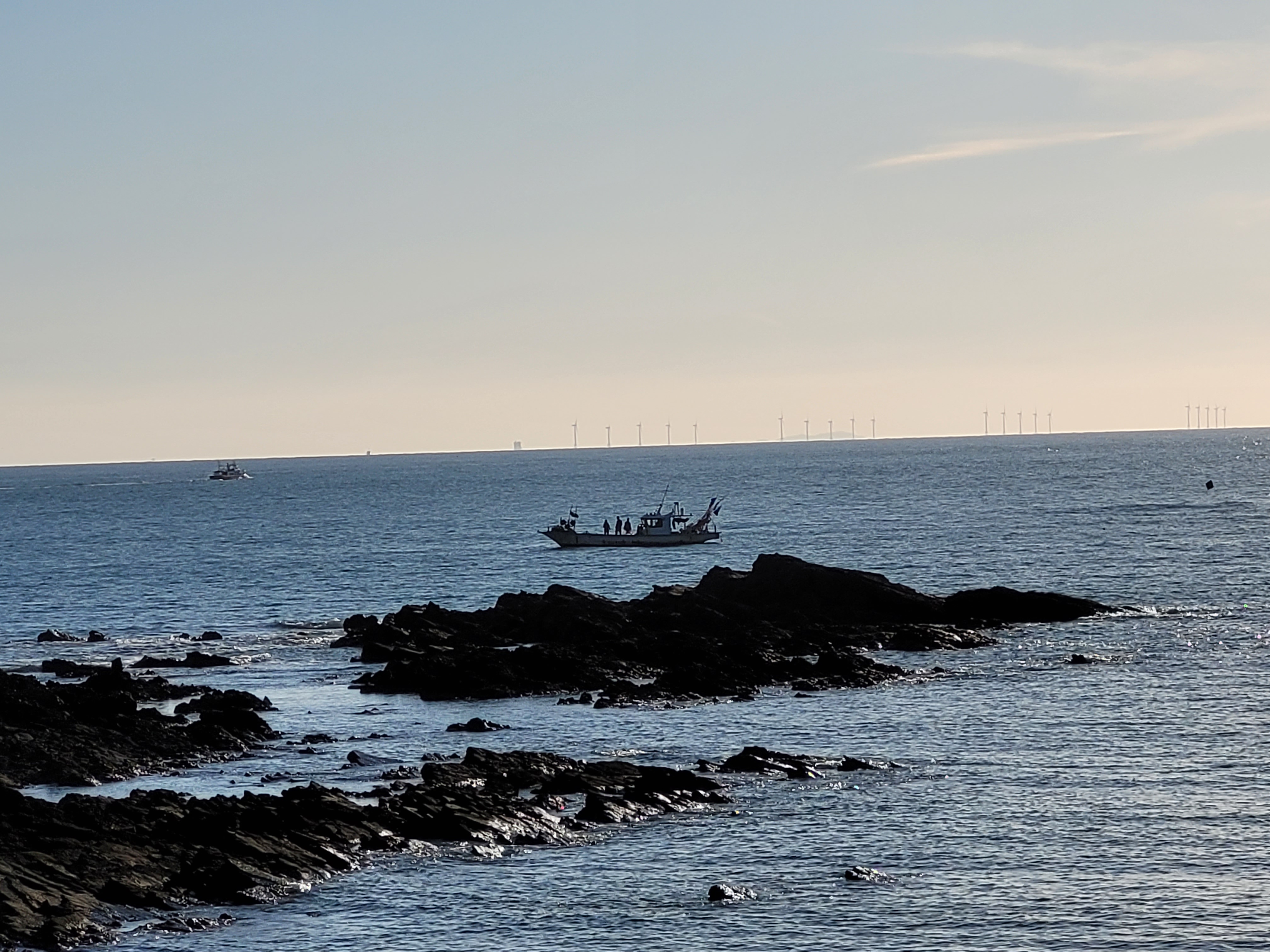
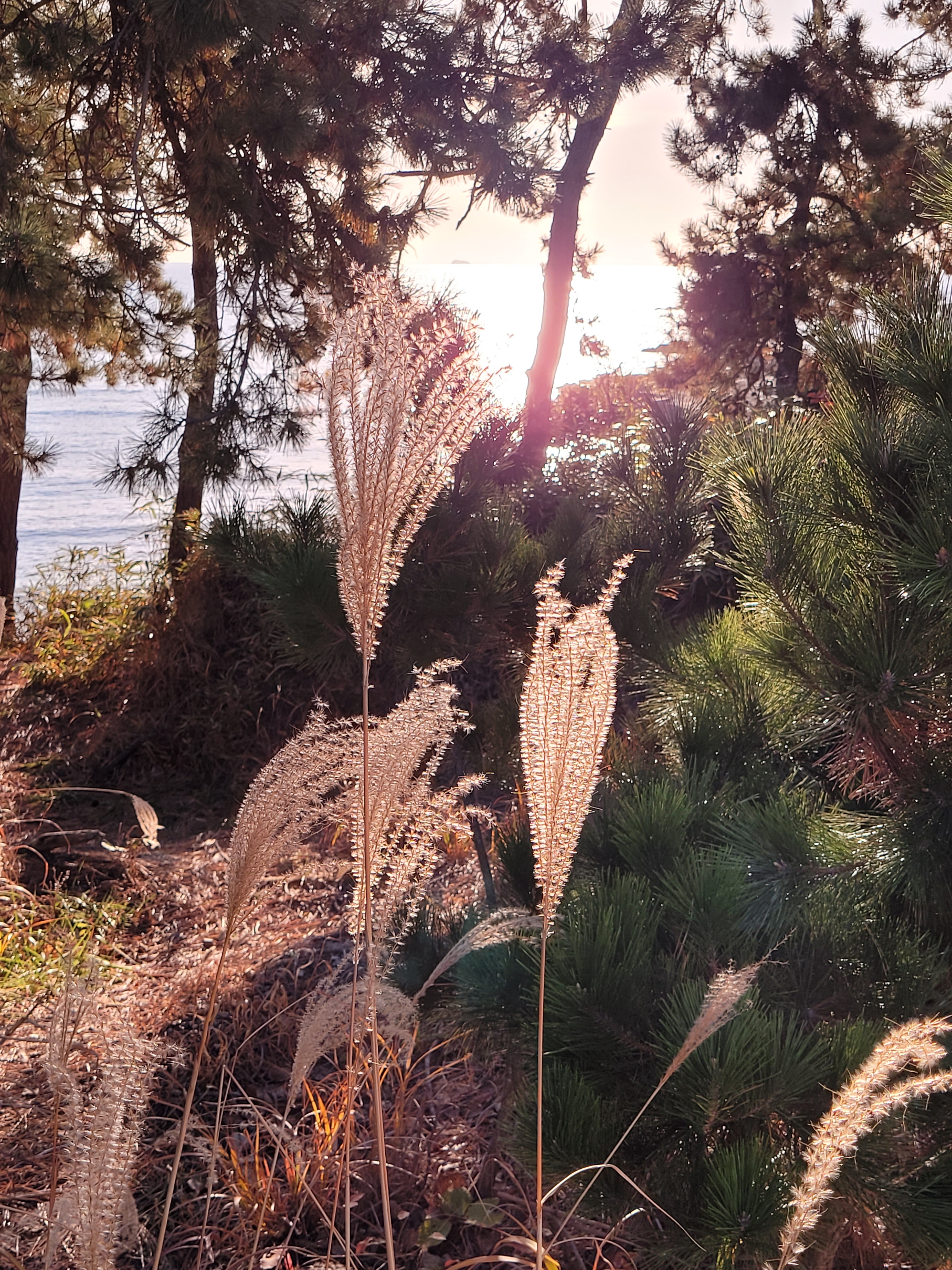
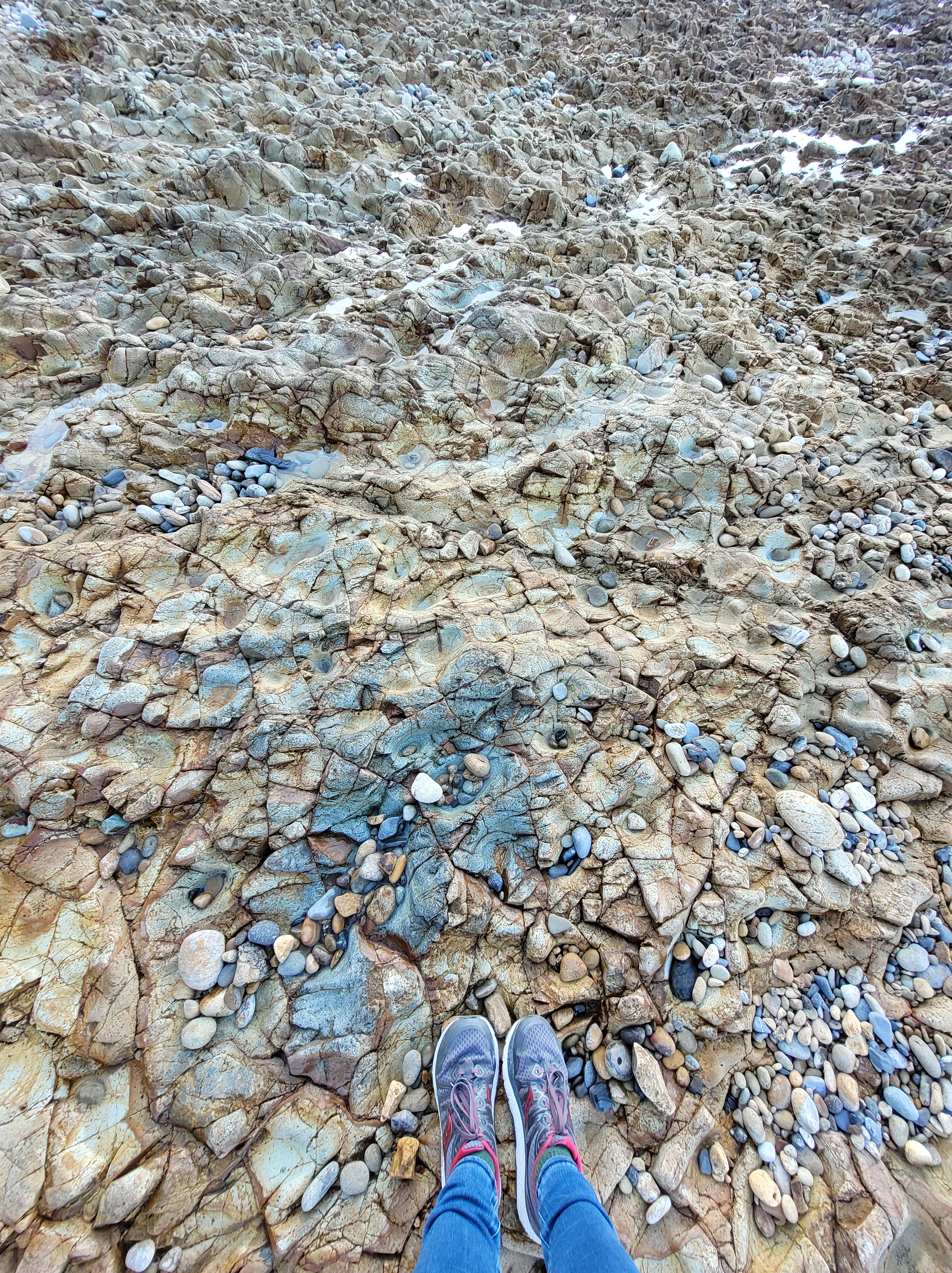
The end of my walk sees me discover yet another geological site and, unlike the crowds back at Chaeseokgang Cliffs, this place is empty of life, it feels absolutely desolate. And perfect for exploring.
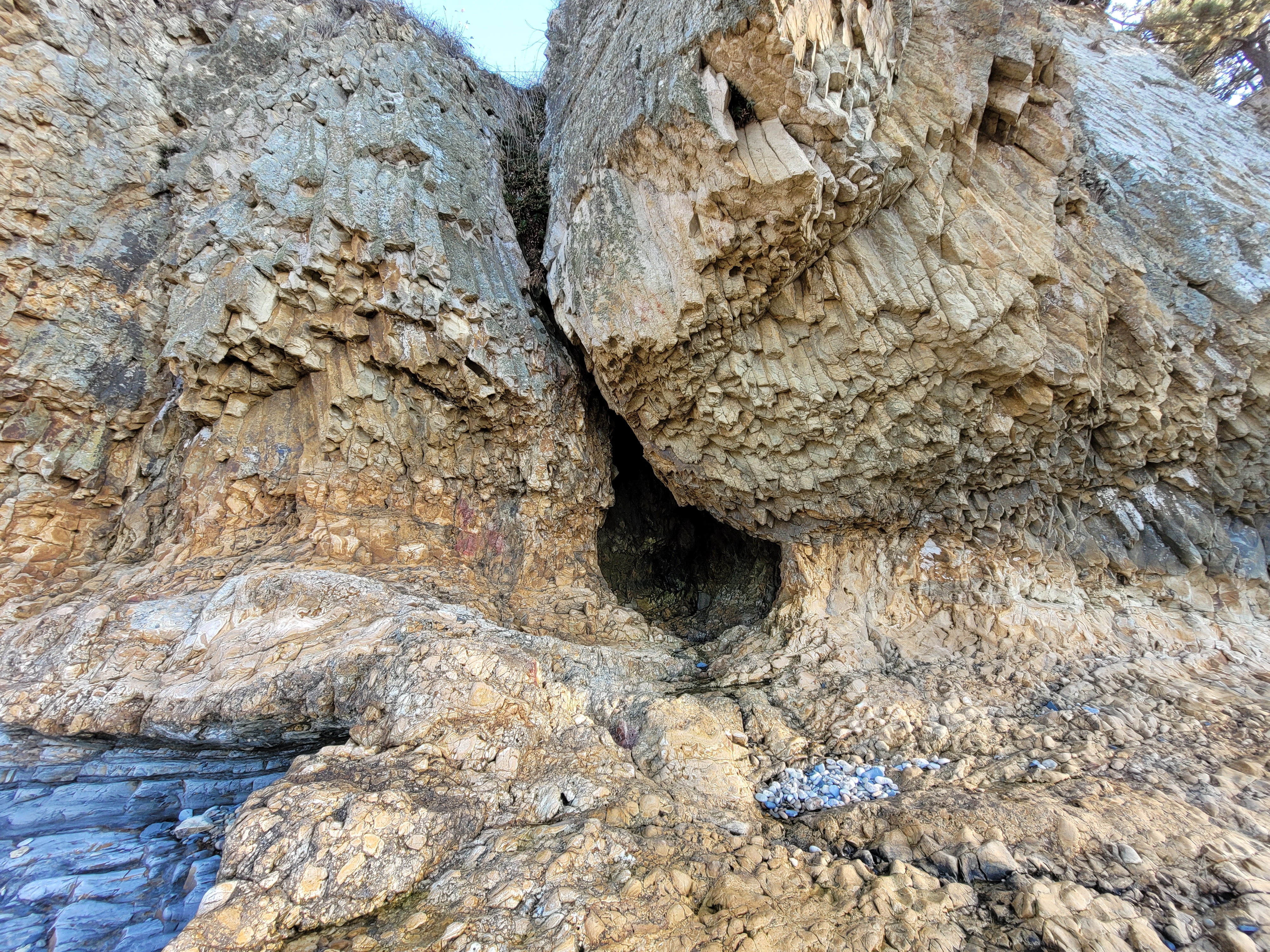
I discover a REALLY creepy dark and dank cave…and immediately go and stand inside it to freak myself out a bit (in a good, brave way).
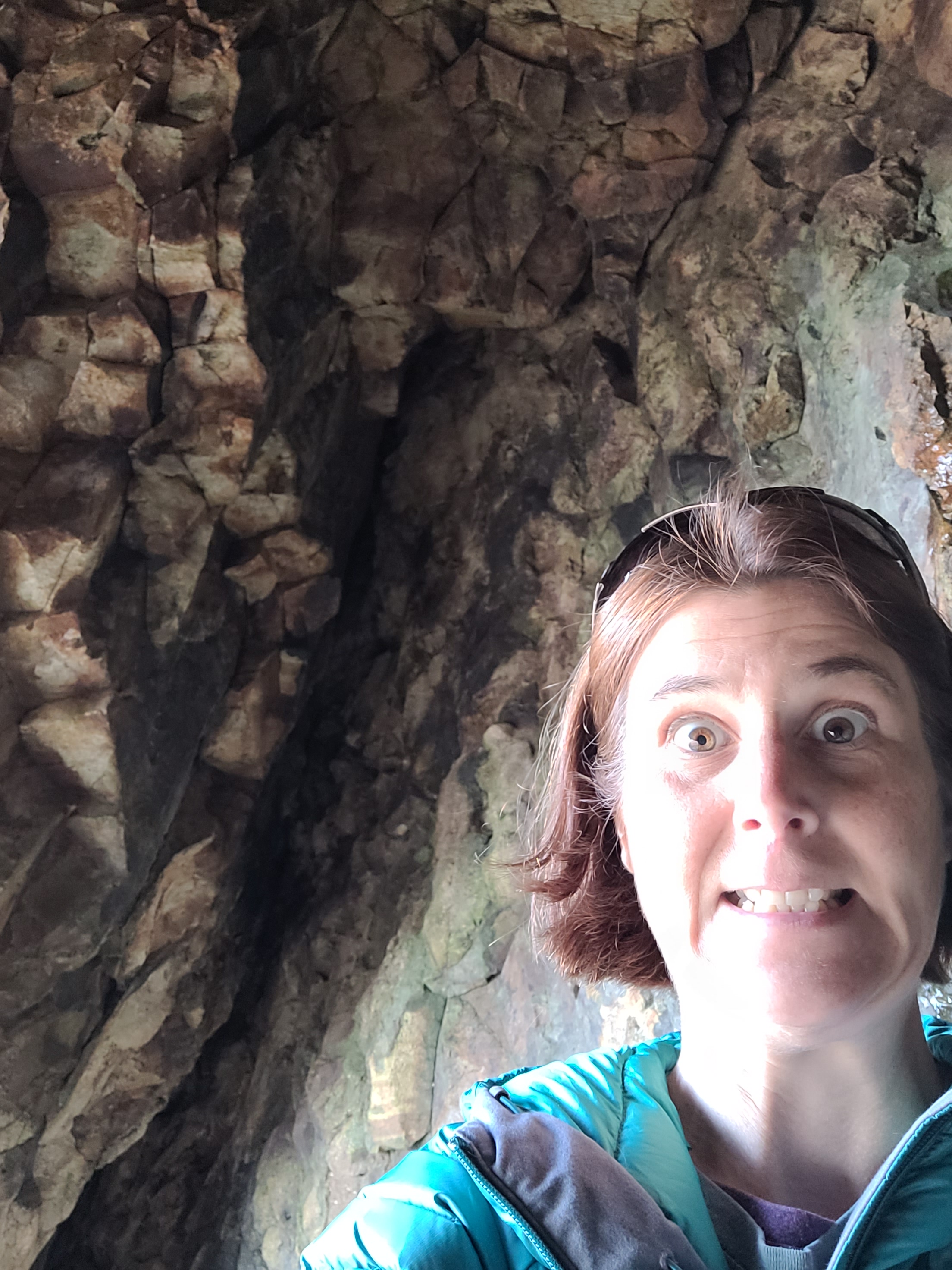
There’s a fascinating mix of rocks here and I can fully appreciate why it is a designated geological site (there’s a sign saying this as you approach the beach), and again I spend a fair bit of time just hopscotching about and looking at yet more rock pools. It’s a really delightful way to spend time.

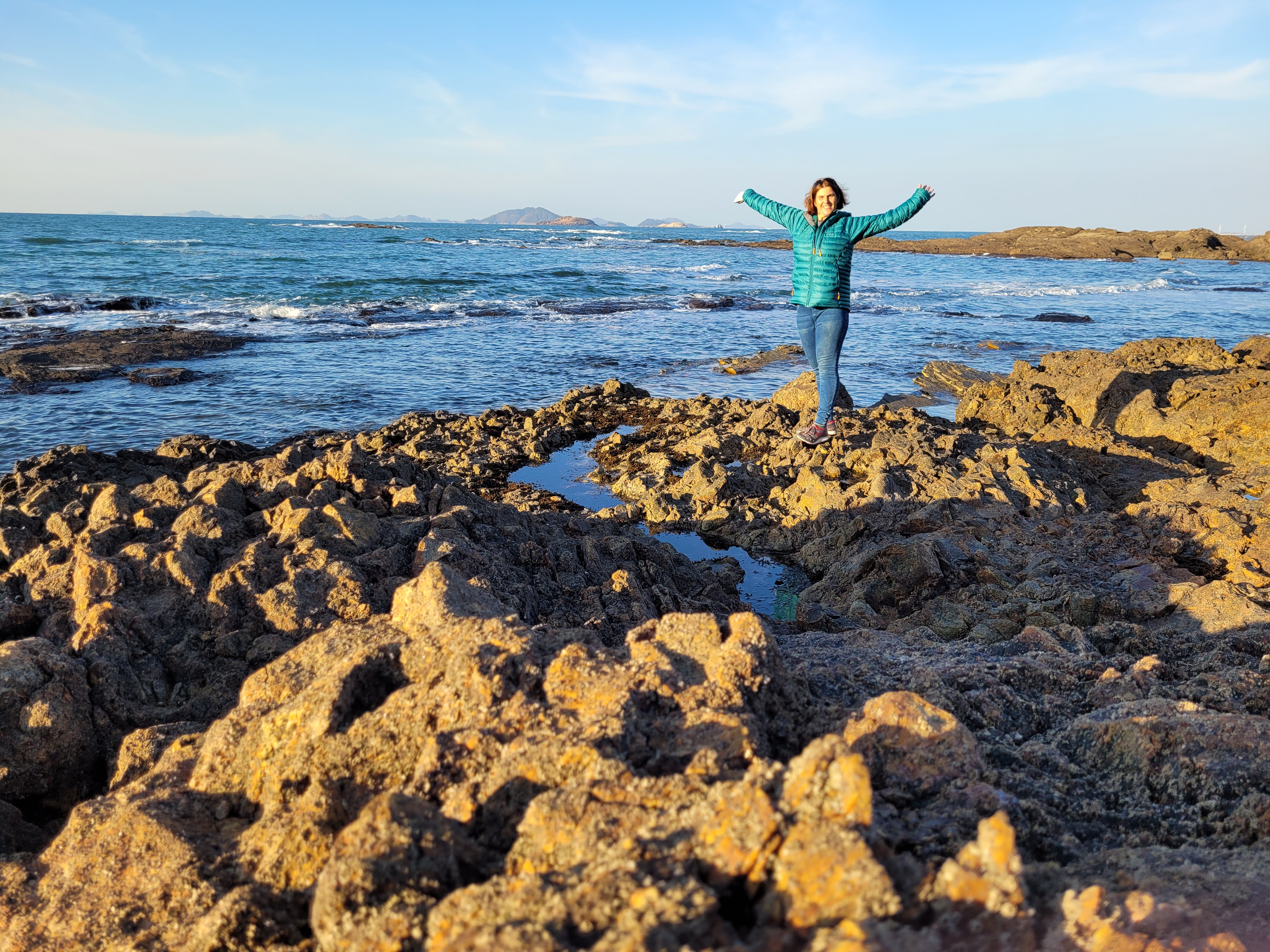
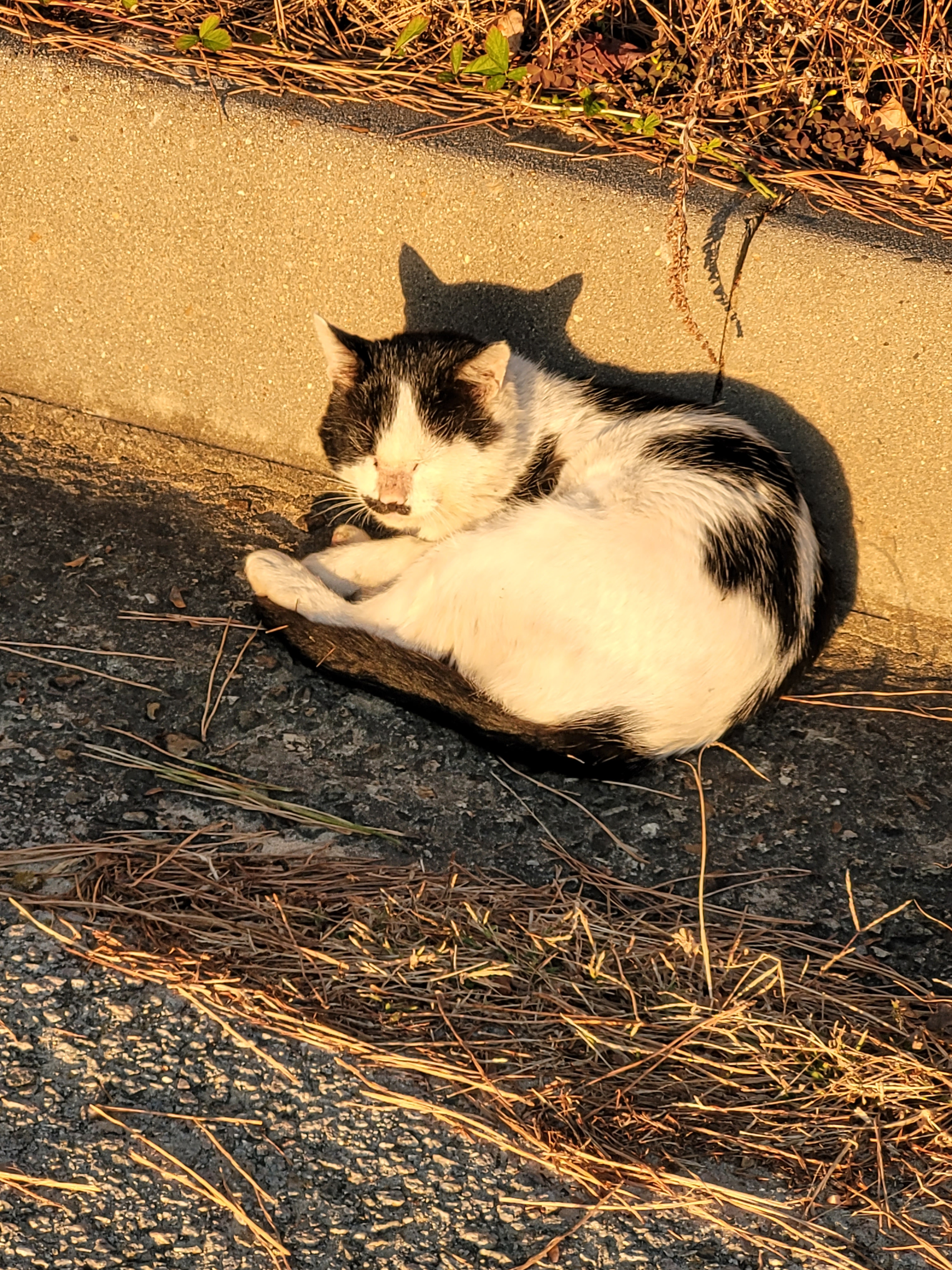
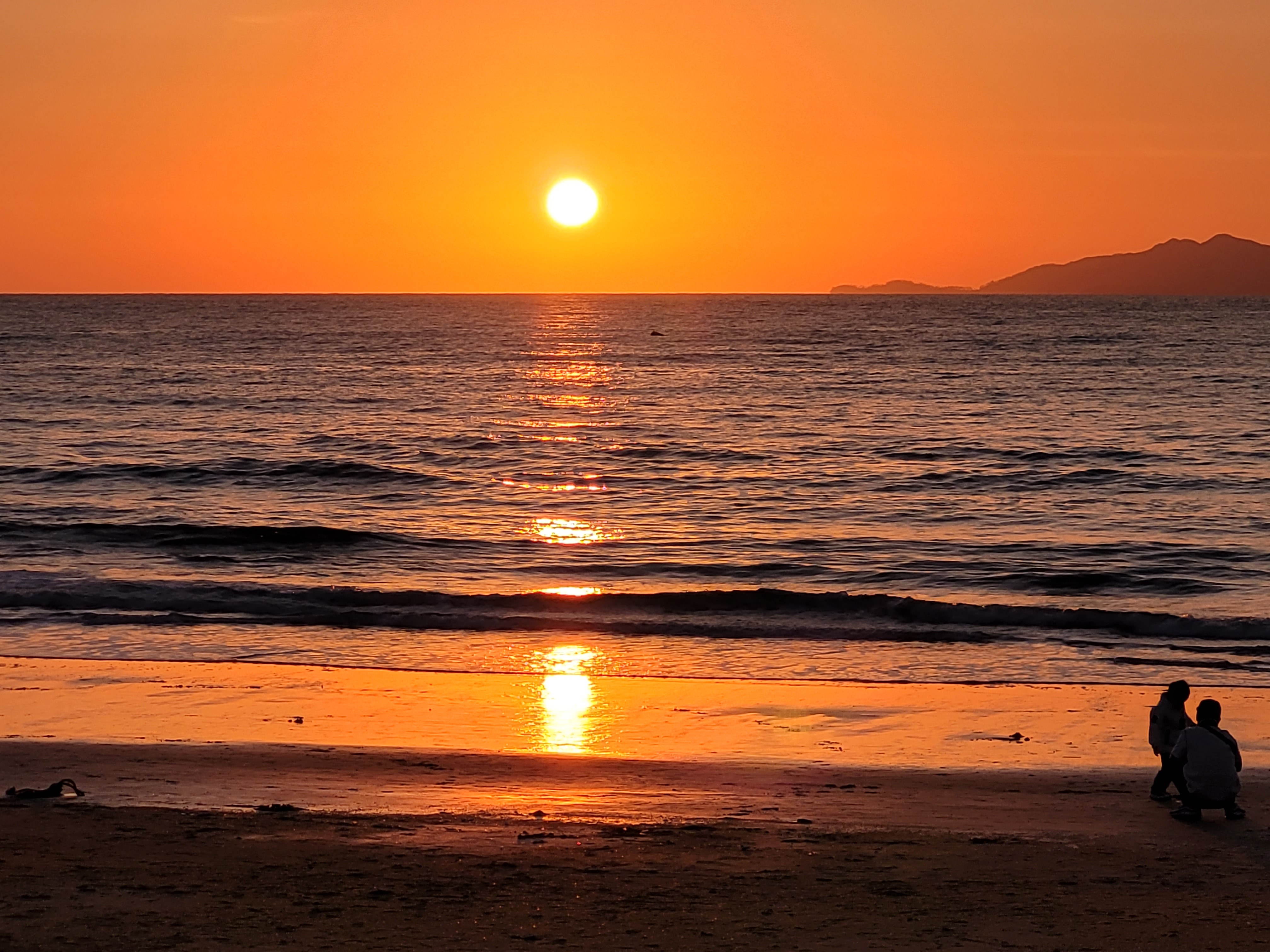
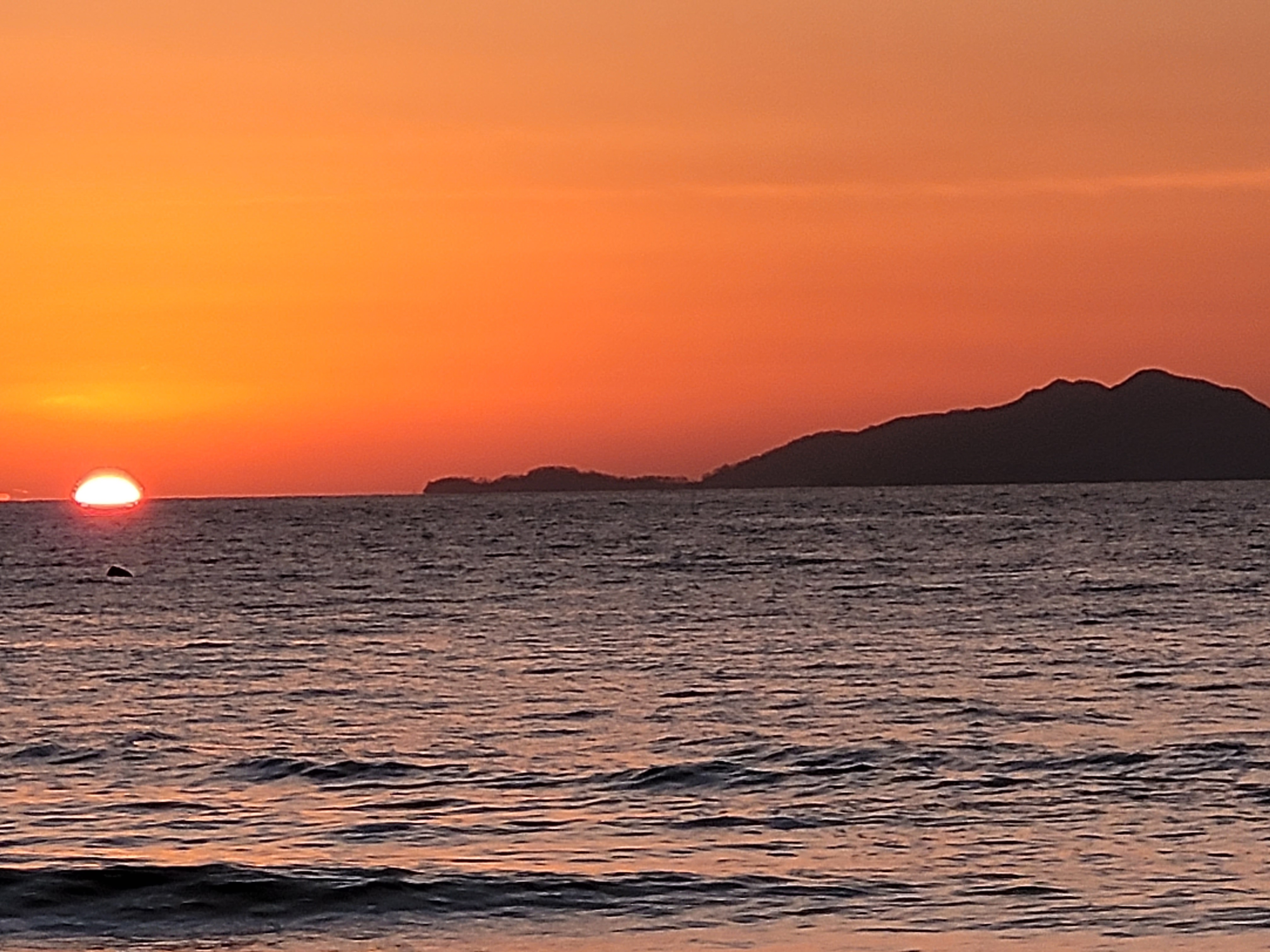
Checking my watch, I soon realise it’s time to head back to the beach to relax on the sand and watch the sunset. Grabbing a matcha latte on my way, I say hi to local a stray cat, quickly dip my feet in the sea, and I’m all ready to watch the show.
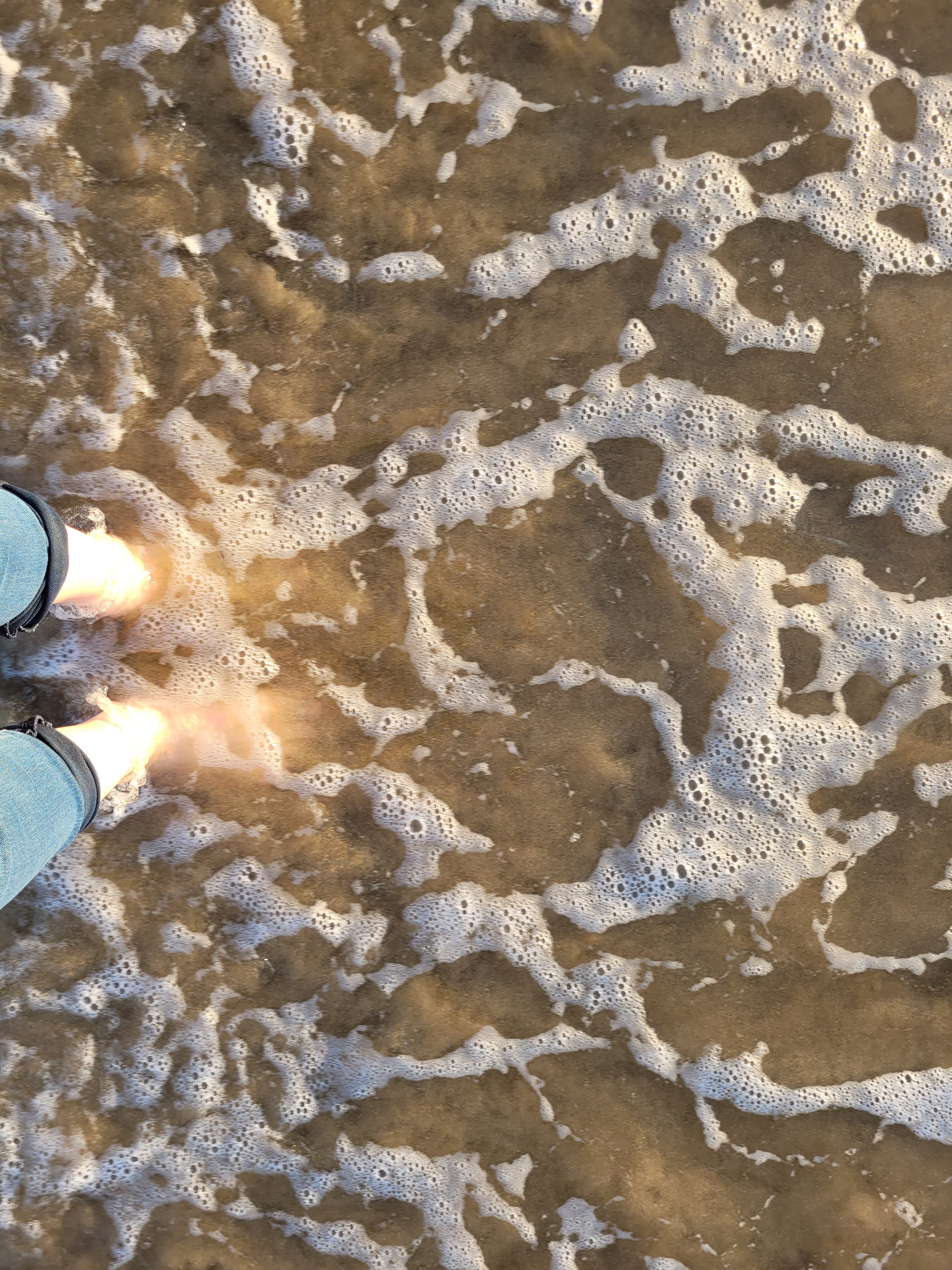
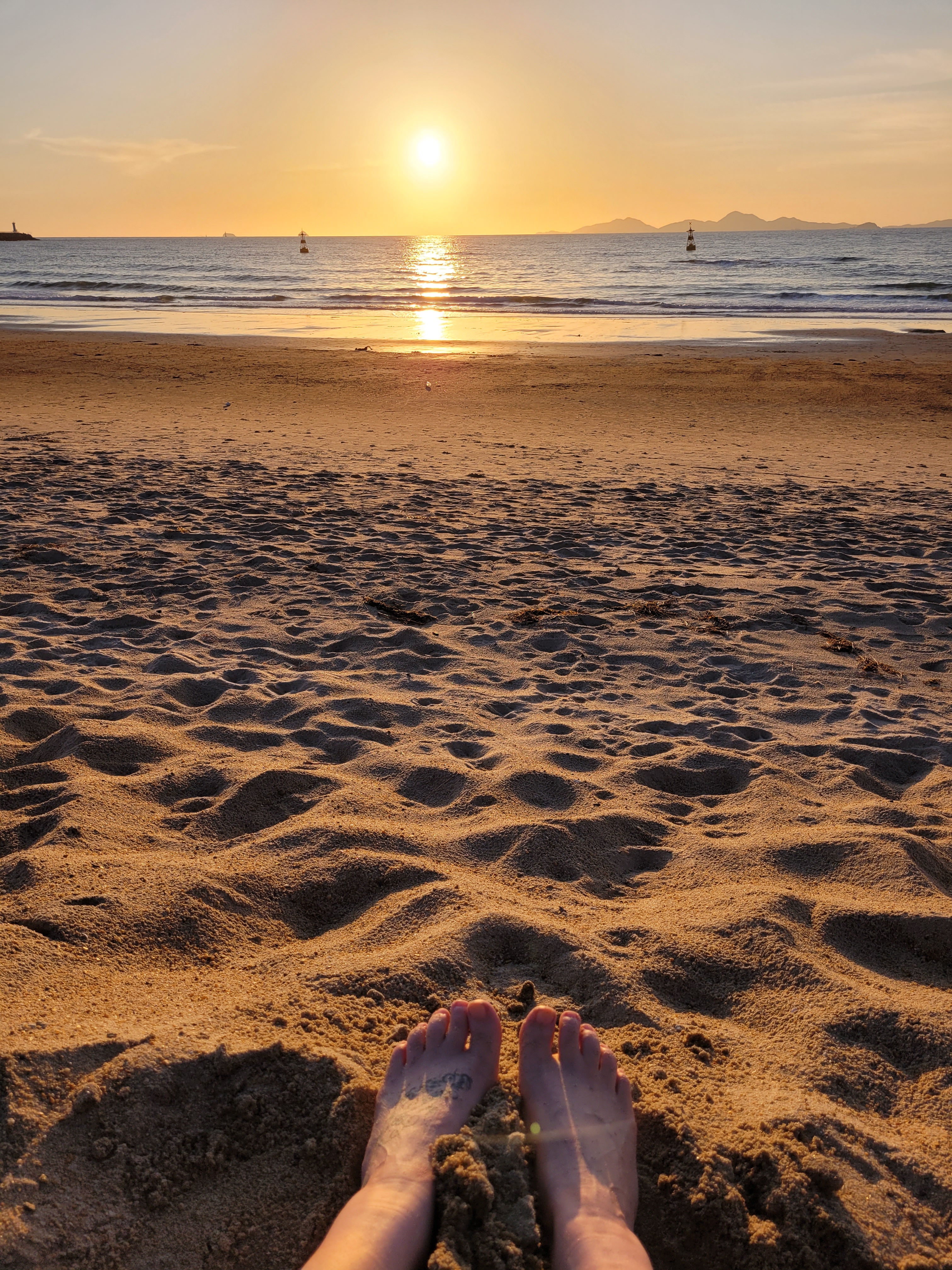
And what a show it is…enjoy, everyone and I’ll see you next time.
 Kerry's Korean Quest
You’re a cheeky girl, getting your glimpse of the palace 😁
LikeLiked by 1 person
Are you kidding me? What’s a little tree climbing for a kdrama addict like me? 🤣
LikeLiked by 1 person